
Black Mold: Signs, Health Risks, and Safe Removal in Ogden
Toxic black mold (Stachybotrys chartarum) is a toxigenic fungus that colonizes moisture-saturated building materials, producing dangerous macrocyclic trichothecene mycotoxins. Safe elimination requires certified negative-air containment, HEPA filtration, and complete physical source removal under ANSI/IICRC S520 standards. If you suspect black mold in your Ogden home, call Ogden Mold Removal Solutions at (866) 688-0301 for immediate, certified inspection and abatement.
The Biology of Stachybotrys Chartarum: What Makes It Dangerous
Few household contaminants evoke as much fear and misunderstanding as "toxic black mold." In the environmental sciences, the term specifically designates Stachybotrys chartarum (and its close relative Stachybotrys chlorohalonata), a slow-growing, moisture-demanding fungal species. Unlike cosmopolitan molds such as Cladosporium or Penicillium that can flourish on transient humidity fluctuations, Stachybotrys requires sustained, continuous saturation over seven to twelve days with high water activity (aw exceeding 0.90).
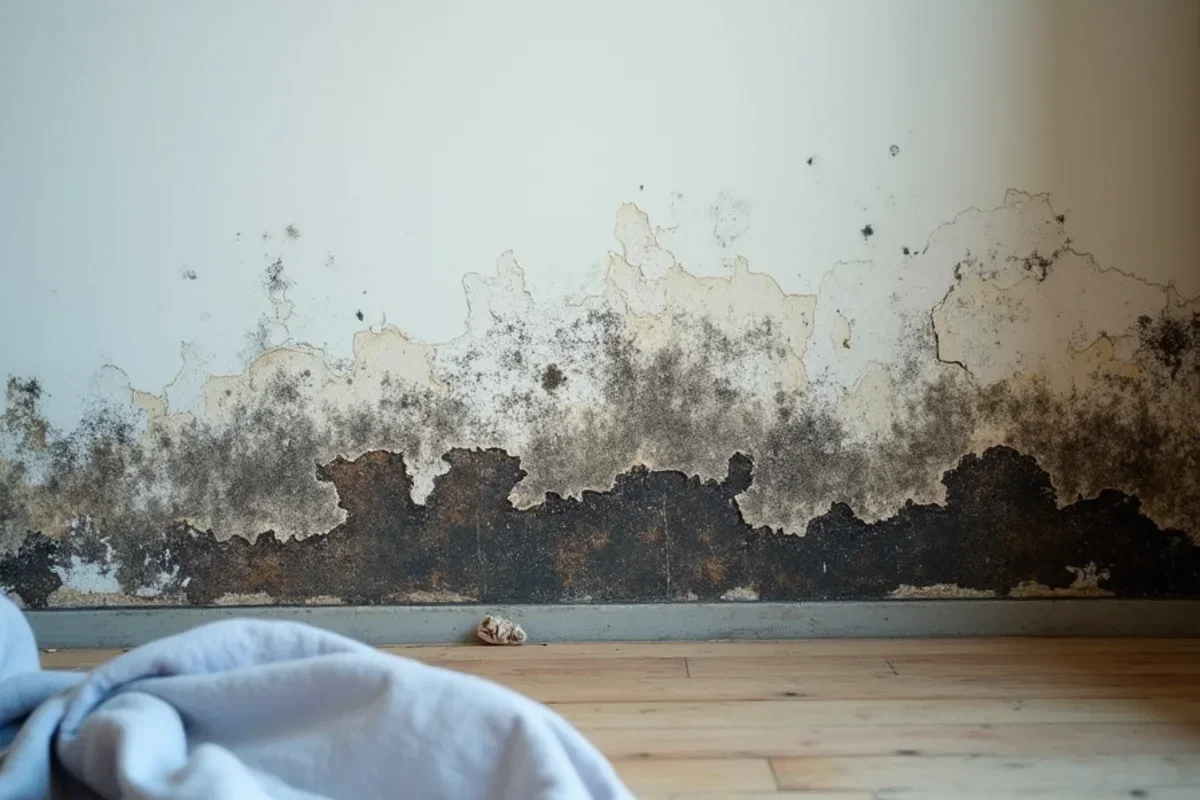
Stachybotrys feeds voraciously on cellulose-rich, low-nitrogen building substrates—the exact composition of drywall paper facings, cardboard backing, ceiling tiles, wood wall sheathing, and carpet jute tack strips common throughout homes in Ogden, South Ogden, and Roy. In its active vegetative state, Stachybotrys appears dark greenish-black with a glossy, gelatinous, slimy texture. Its microscopic spores are held together in a wet mucilaginous mass, meaning that while wet, spores do not easily disperse into ambient air. However, when the moisture source ceases or an untrained homeowner attempts to scrub or dry-sand the colony, the mucilage dries out, aerosolizing millions of microscopic toxigenic spores into the breathing zone.
Comparative Fungal Matrix: Black Mold vs. Common Household Species
It is a common error to assume that every dark-colored mold colony found in a bathroom or basement is toxic Stachybotrys. Comparing morphological and biological characteristics helps distinguish harmless cosmetic mildew from hazardous toxigenic species:
| Fungal Genus | Visual Appearance | Moisture Requirements | Primary Indoor Substrates | Mycotoxin & Health Profile |
|---|---|---|---|---|
| Stachybotrys chartarum | Dark greenish-black, slimy when wet, powdery when dry | Sustained liquid saturation (7–12 days, aw > 0.90) | Sheetrock gypsum paper, subfloors, OSB sheathing, acoustic tiles | Produces satratoxins (trichothecenes); hazardous immune and pulmonary irritant. |
| Cladosporium sphaerospermum | Olive green, brown, to dark charcoal; velvety texture | Moderate humidity (65%–85% RH, aw 0.85) | Window sills, bathroom grout, HVAC supply registers, painted trim | Common indoor allergen; triggers sneezing, watery eyes, and mild asthma. |
| Aspergillus niger | Jet black to dark brown; powdery, granular texture | Low to moderate moisture (aw 0.75–0.85) | Dusty surfaces, damp masonry, vinyl wallpaper, decaying wood | Can produce ochratoxins; opportunistic respiratory pathogen (aspergillosis). |
| Alternaria alternata | Dark grey, brown, or black; woolly, filamentous colonies | Condensation cycles, damp carpets, window frames | Outdoor air infiltration, shower tiles, carpet backing | Strong upper respiratory allergen; common trigger of childhood allergic rhinitis. |
Health Hazards: Mycotoxins, CIRS, and Respiratory Distress
The defining danger of Stachybotrys chartarum lies in its chemical warfare mechanisms. Under specific environmental stressors (competition with other fungi, nutritional shifts), Stachybotrys synthesizes secondary chemical metabolites known as macrocyclic trichothecene mycotoxins—specifically Satratoxin G, Satratoxin H, Isosatratoxin F, and Roridin E. These chemicals are potent protein synthesis inhibitors capable of crossing mammalian cellular membranes.
In addition to satratoxins, black mold releases hemolysins (stachylysin, which damages red blood cell membranes) and (1->3)-beta-D-glucans, which induce profound inflammatory immune responses. Clinical literature and occupational health guidelines document a wide spectrum of physiological symptoms associated with chronic black mold exposure:
- Upper and Lower Respiratory Distress: Chronic wheezing, shortness of breath, burning sensation in the throat and lungs, recurring bronchitis, and exacerbation of severe asthma attacks.
- Neurological and Cognitive Impairments: Persistent brain fog, chronic tension headaches, memory lapses, dizziness, and extreme fatigue often diagnosed as Chronic Inflammatory Response Syndrome (CIRS).
- Dermatological and Mucosal Irritation: Unexplained skin rashes, hives, persistent conjunctivitis, burning red eyes, and epistaxis (chronic bloody noses).
- Elevated Vulnerability in At-Risk Populations: Infants, young children, pregnant women, elderly residents, and immunocompromised individuals (such as chemotherapy patients or organ recipients) face heightened risk of pulmonary hemorrhage and systemic fungal illness.
Recognizing the Warning Signs of Black Mold in Ogden Homes
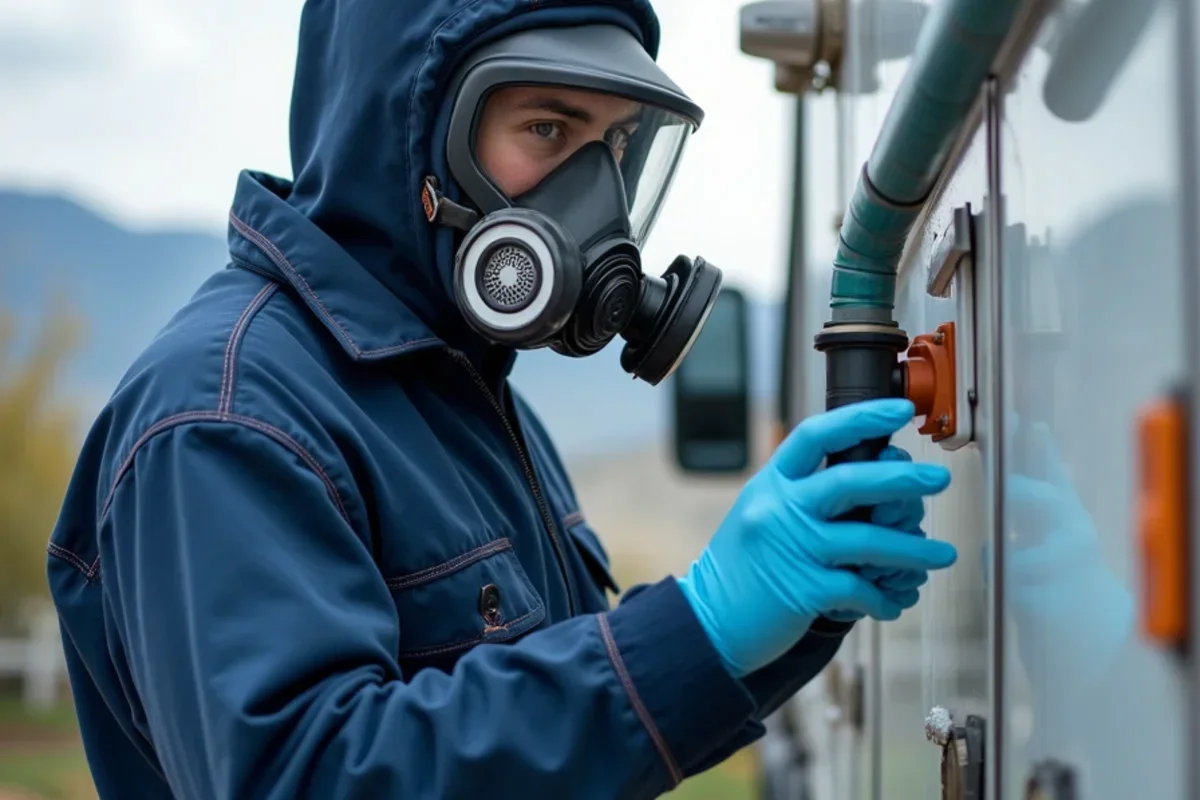
Because Stachybotrys requires sustained saturation, it almost never colonizes exposed, well-ventilated drywall surfaces. Instead, it thrives in dark, concealed micro-environments—behind baseboards, underneath linoleum or laminate subflooring, inside wet wall cavities adjacent to uninsulated cold exterior walls, and along damp basement foundation sills. Homeowners should stay alert for four key indicators:
- Persistent Pungent Musty Odor: A cloying, earthy smell resembling damp rotting compost or old wet cardboard. This scent is produced by microbial volatile organic compounds (mVOCs) off-gassed by active fungal digestion.
- Water Damage History: Any past supply line leak, water heater failure, toilet overflow, or roof ice dam that soaked sheetrock or framing lumber and was not professionally dried within 48 hours.
- Efflorescence and Hydrostatic Moisture: Mineral salt crusting (efflorescence) along unfinished cinderblock basement walls in Roy or West Haven, signaling continuous moisture migration through the foundation.
- Symptom Improvement Away from Home: Family members who experience chronic congestion, morning coughs, or headaches that magically subside when leaving for work, school, or weekend travel.
Professional Identification: Inspection and Lab Sampling
Visual inspection alone cannot definitively confirm whether a black mold colony is toxigenic Stachybotrys or a benign cosmetic mold. Accurate identification requires certified environmental sampling techniques interpreted by an AIHA-LAP accredited laboratory:
- 1
Non-Destructive Moisture Mapping
Technicians use FLIR infrared thermography and pinless radio-frequency moisture meters to trace hidden cold moisture boundaries within wall assemblies without breaching drywall.
- 2
Direct Surface Lift Sampling
Using bio-tape slides or sterile swabs, technicians collect physical fungal structures (conidiophores, hyphae, and spores) directly from affected substrates for direct microscopic examination.
- 3
Air-O-Cell Spore Trap Cassettes
Calibrated air sampling pumps draw 15 liters of air per minute through cassette filters inside the suspected room and outdoors as a background control, quantifying exact airborne spore concentrations per cubic meter.
- 4
ERMI DNA Analysis (Optional)
For sensitive occupants, Environmental Relative Moldiness Index (ERMI) testing uses quantitative PCR (Q-PCR) DNA technology to analyze dust for 36 specific mold species, including Stachybotrys.
Why Northern Utah Homes Are Prone to Black Mold Colonization
A frequent question from Weber County homeowners is why toxic black mold appears even in Utah's notoriously arid climate. The answer lies in the intersection of extreme seasonal weather variations and common regional architectural construction practices. During Northern Utah's intense winter temperature inversions, cold exterior air temperatures (frequently dropping below 20°F) collide with warm, humid indoor air along uninsulated exterior wall framing, creating severe thermal bridging and chronic condensation on structural sheathing.
Furthermore, thousands of post-war brick ramblers and split-entry homes in Ogden, Roy, and South Ogden feature uninsulated concrete basement foundations or crawlspaces built directly above shallow alluvial water tables. When homeowners finish these basements by placing fiberglass batt insulation directly against cold foundation walls without an engineered capillary break, moisture becomes trapped against organic paper drywall facings. Over weeks of persistent condensation, this hidden damp microclimate provides the exact water activity (aw > 0.90) required for Stachybotrys chartarum spores to germinate undetected.
The ANSI/IICRC S520 Protocol for Safe Black Mold Removal
Attempting to scrub black mold with bleach, dry paper towels, or household spray bottles is dangerous. Bleach fails to penetrate porous wood and releases chlorine fumes that interact dangerously with fungal mycotoxins, while mechanical agitation disperses billions of spores throughout your home. Ogden Mold Removal Solutions enforces strict ANSI/IICRC S520 containment and abatement procedures:
Technicians establish a sealed negative-pressure containment zone utilizing 6-mil flame-retardant polyethylene sheeting with double-flap zipper entry airlocks. Commercial HEPA air filtration machines continuously exhaust air outside the home, maintaining a pressure differential of at least 0.02 inches of water column to ensure no airborne spores escape into living areas. Contaminated porous materials (drywall, insulation, tack strips) are misted with surfactant biocide to prevent dusting, cut out cleanly, and sealed in 6-mil biohazard bags before exiting containment.
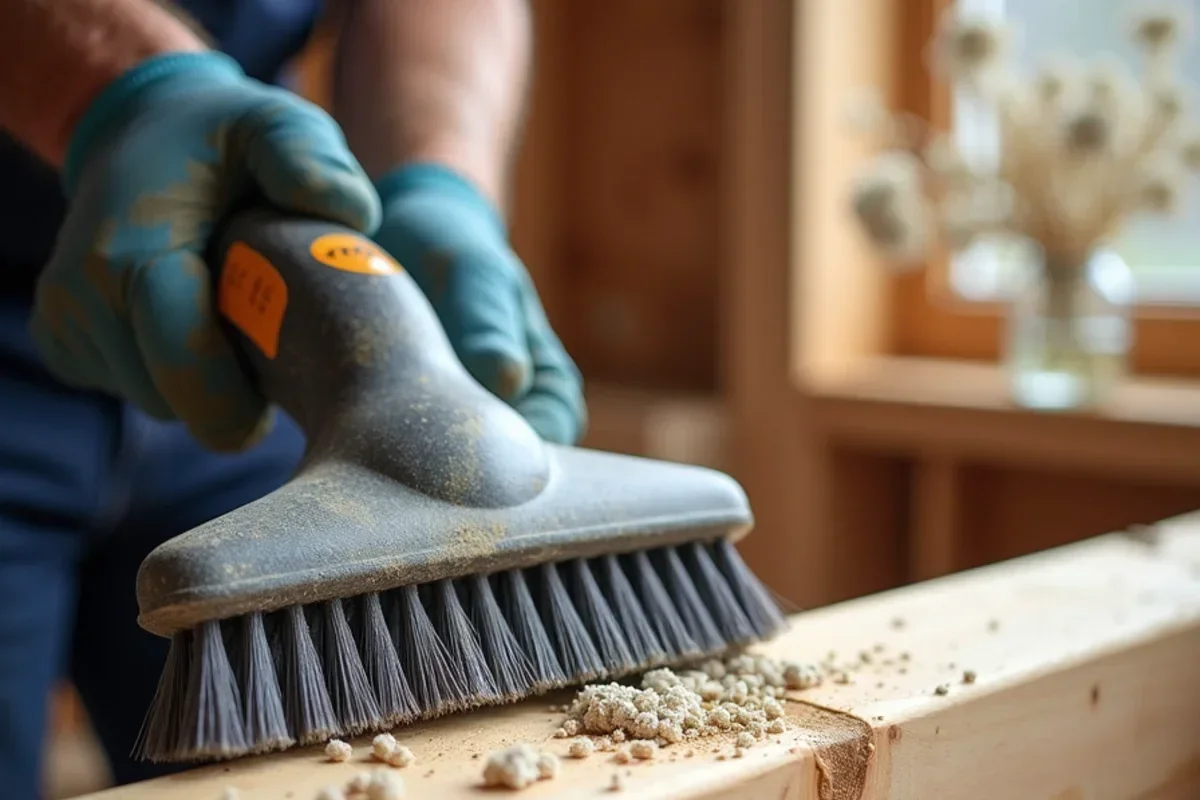
Structural wood framing is abrasively cleaned using HEPA-shrouded wire brushes or specialized dry-ice blasting, followed by HEPA vacuuming (capturing 99.97% of particles down to 0.3 microns). Finally, framing receives an EPA-registered hospital-grade antimicrobial wash down and an elastomeric fungicidal encapsulant coating. Independent clearance air testing confirms complete fungal removal before plastic barriers are disassembled.
24/7 Water Damage Emergency? We Are on Call Right Now
Speak directly with our Ogden restoration dispatchers. We arrive within the hour across Weber County with industrial water extraction pumps and rapid structural drying equipment.
- 5★ on Google (4 reviews)
- 24/7 Live Dispatch
- 60-Min Emergency Arrival
- Fully Insured
- Free Assessments
- Serving Ogden & Northern Utah since 2023
Frequently Asked Questions
- No. Many common indoor mold species, including Cladosporium, Alternaria, and Aspergillus niger, appear black or dark brown to the naked eye but do not produce trichothecene mycotoxins. Definitive confirmation requires direct surface tape lift sampling and microscopic laboratory analysis.