What to Do in the First 30 Minutes of an Ogden Water Emergency
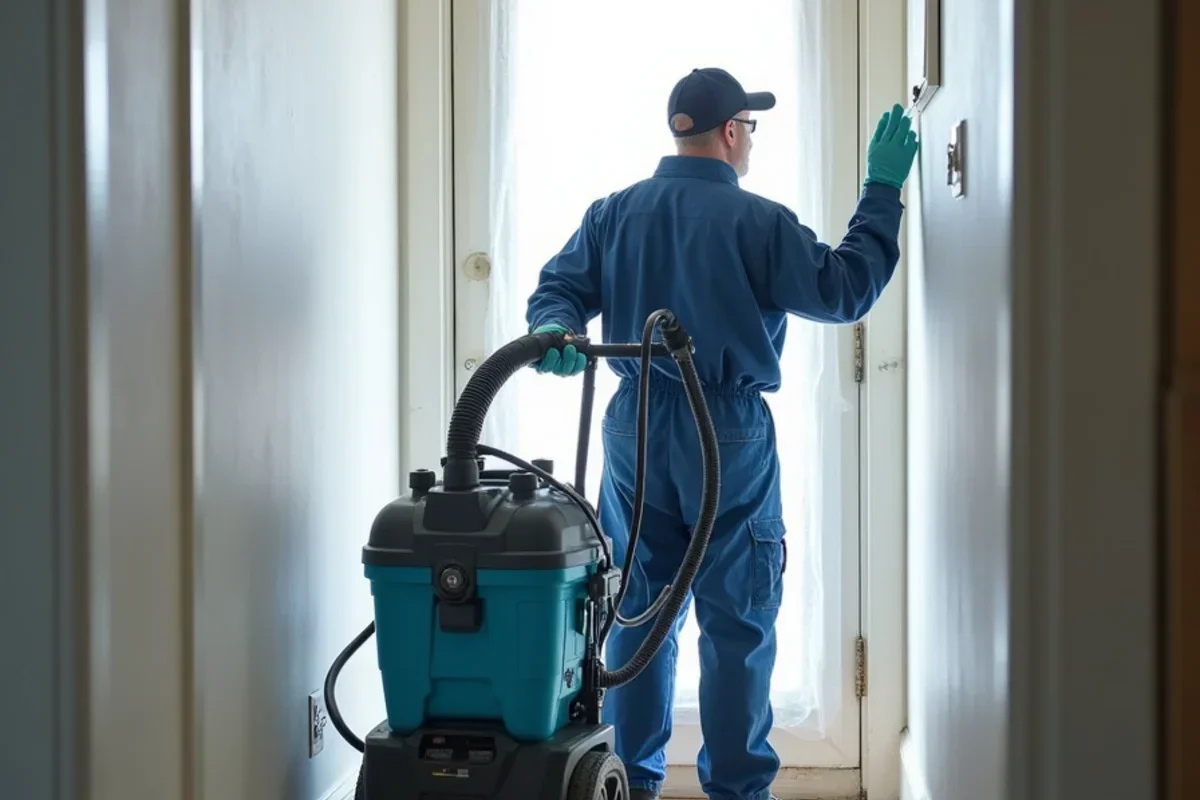
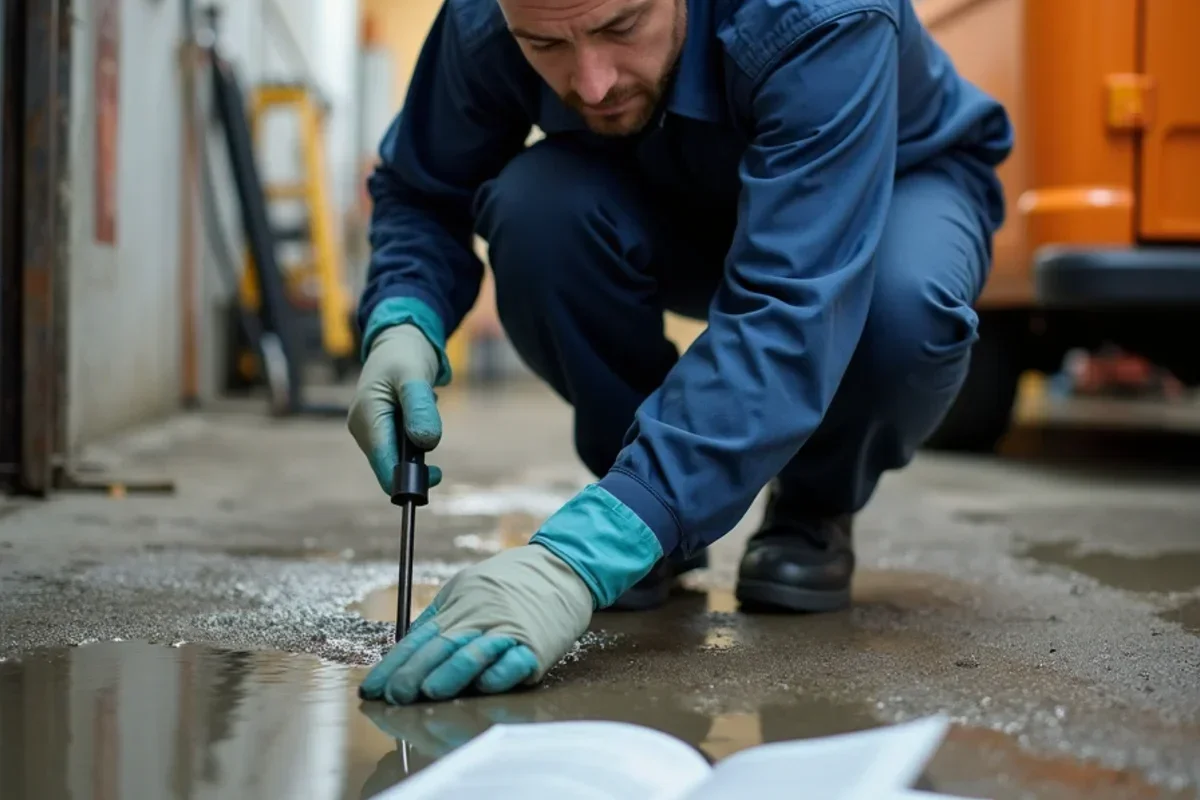
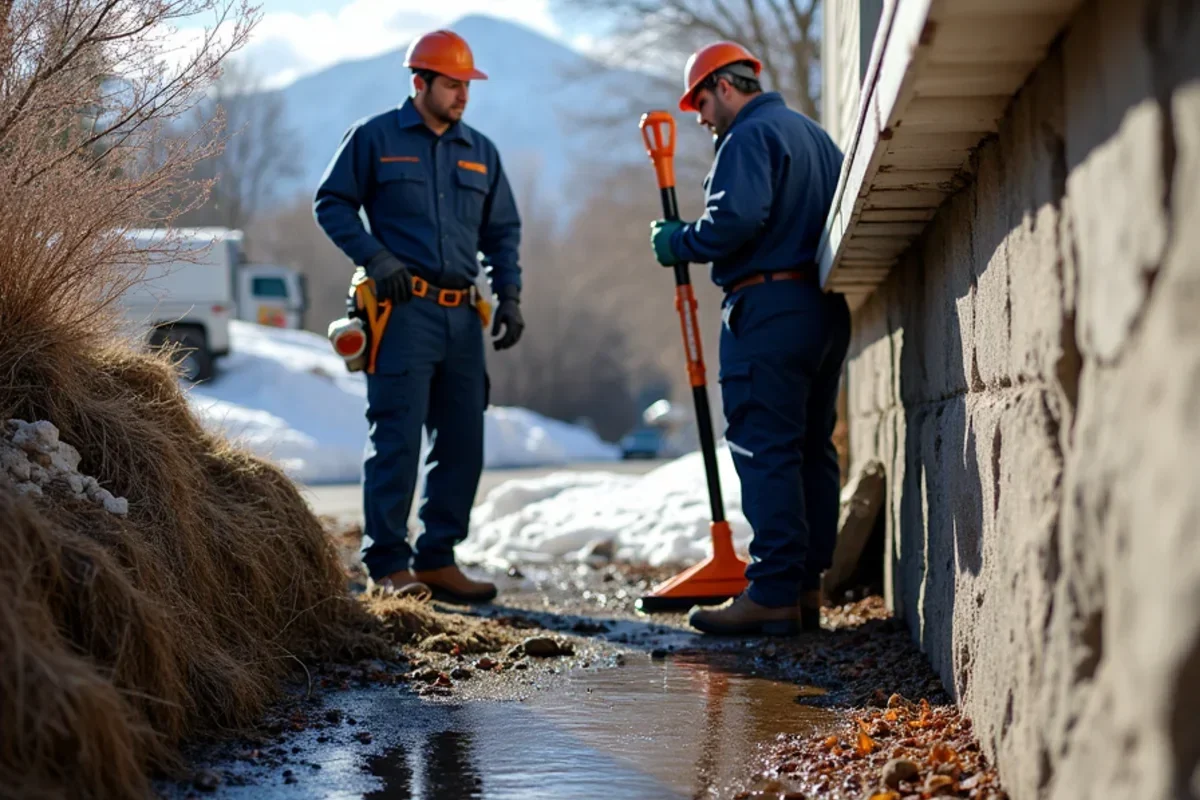
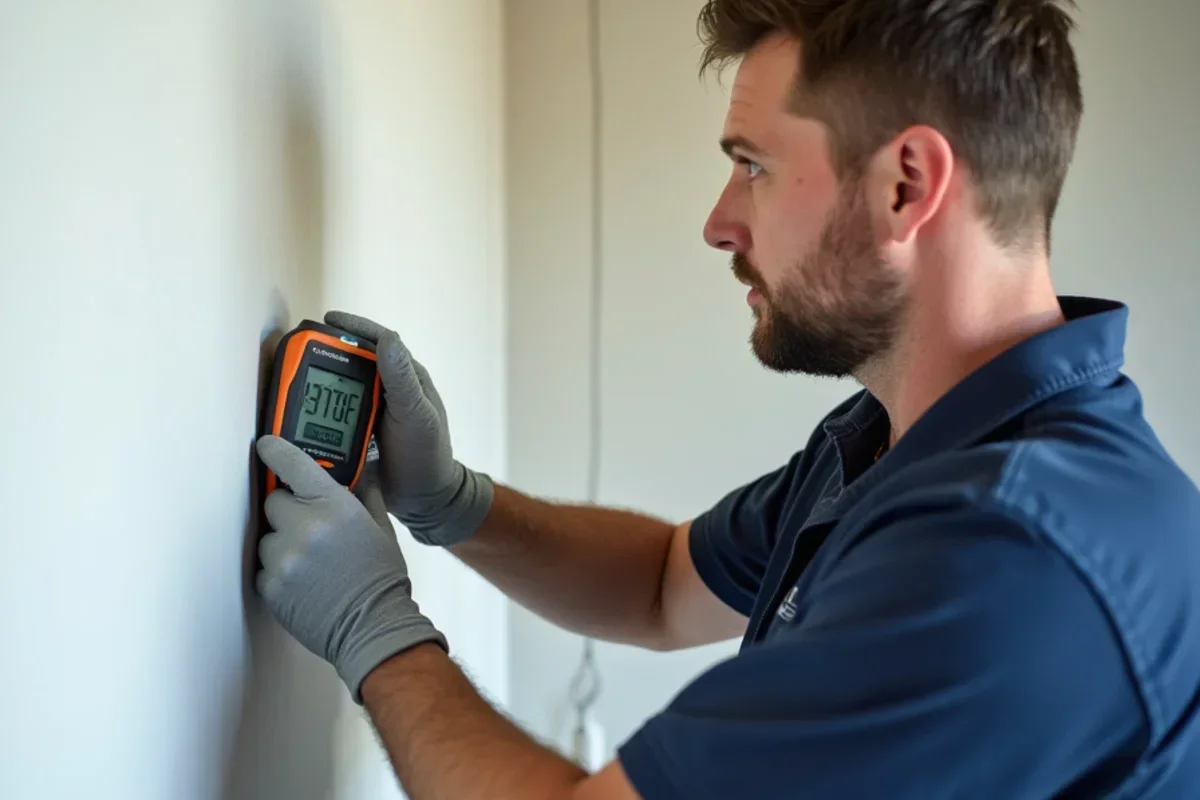
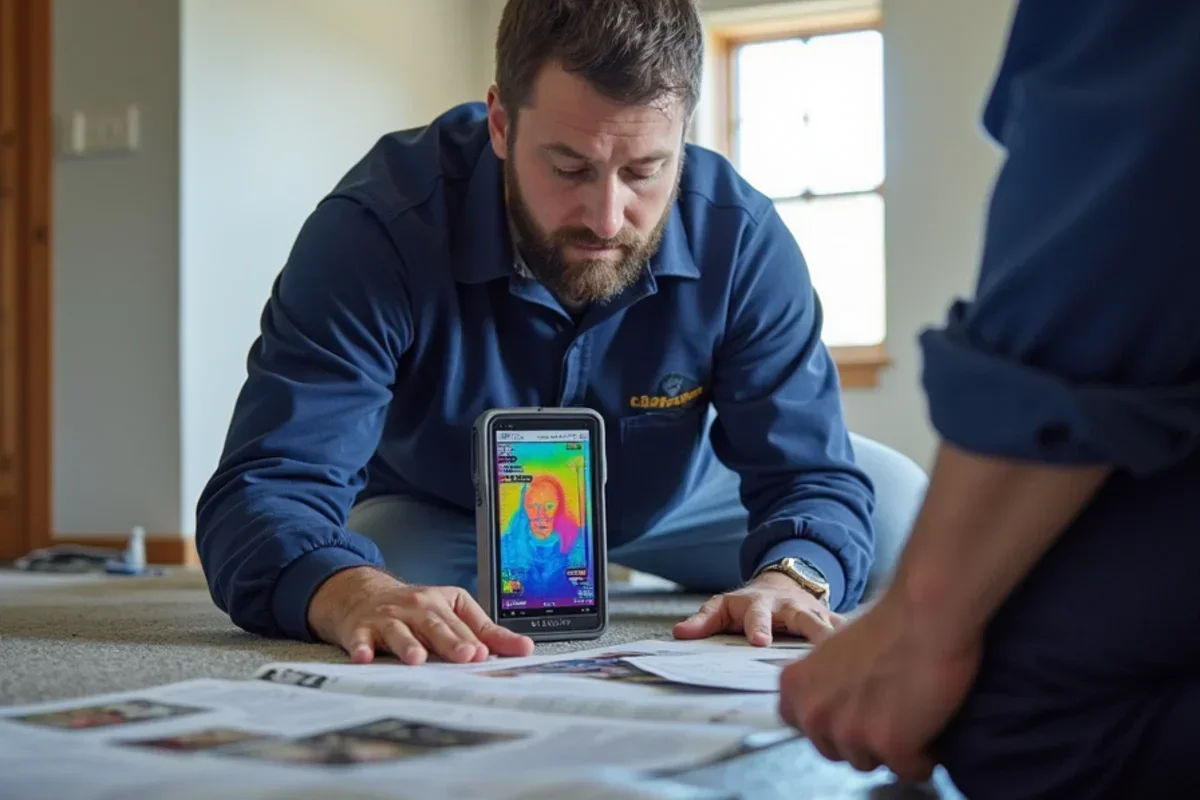
The first 30 minutes following a water intrusion dictate whether a property suffers a manageable cleanup or thousands of dollars in permanent structural damage. For fast emergency water damage Ogden assistance, follow these crucial first steps before technicians arrive for ogden water damage repair:
- Step 1: Shut Off the Water Source Immediately — If safe to do so, locate and close the fixture isolation valve behind the toilet, washing machine, or sink. If the source is an unknown pipe burst or ceiling leak, turn off the whole-home main water shutoff valve (typically located where the main supply line enters the basement, utility closet, or near the water meter).
- Step 2: Avoid Electrical Hazards — Never step into standing water or flooded basements if outlets, extension cords, or electrical panels are submerged. If the electrical main panel can be reached safely without walking through water, switch off power to affected rooms. If unsure, wait for emergency responders or utility technicians.
- Step 3: Document Everything with Photographs & Video — Before moving belongings or mopping, take clear, well-lit photos and video footage of standing water levels, saturated walls, damaged furniture, and the leak origin. This visual evidence is critical for insurance claim water damage documentation Ogden adjusters require for claim approval.
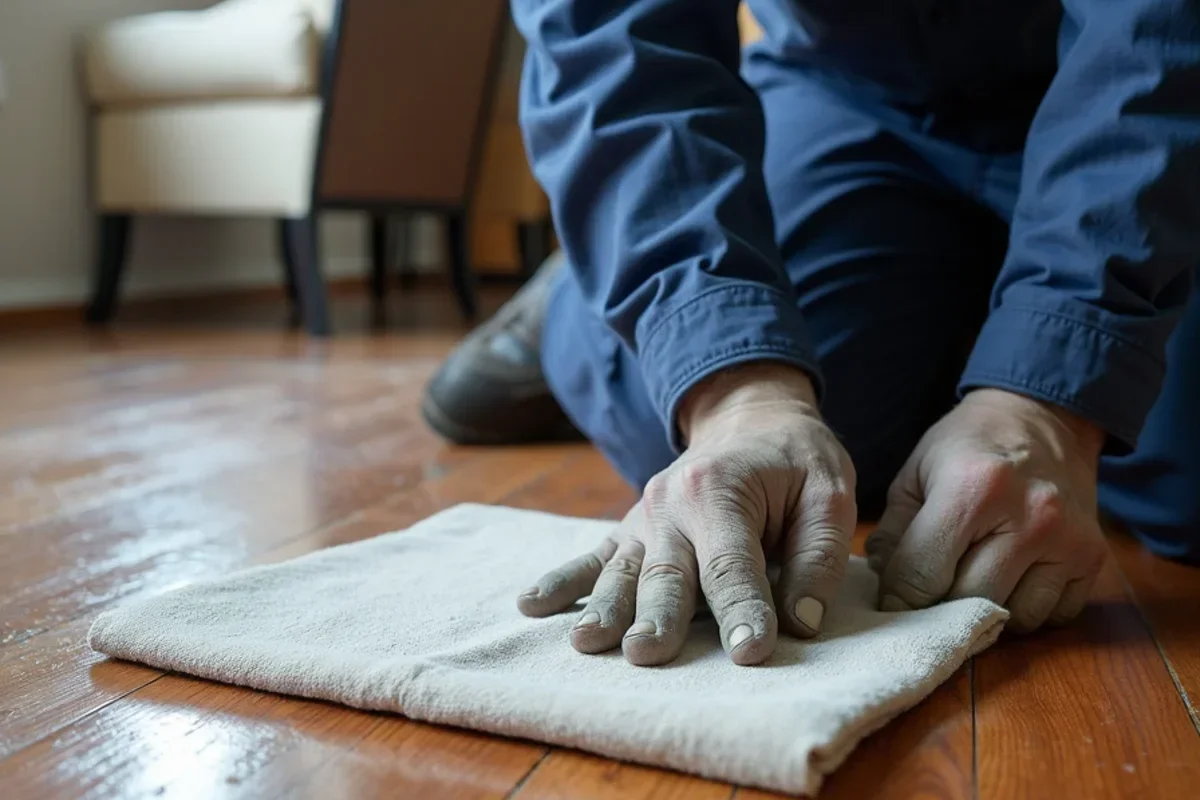
- Step 4: Protect Valuables & Lift Furniture — Place aluminum foil squares or plastic wrap under wooden furniture legs resting on wet carpeting to prevent wood stain from bleeding into carpet fibers. Move paper documents, electronics, and keepsakes to a dry area.
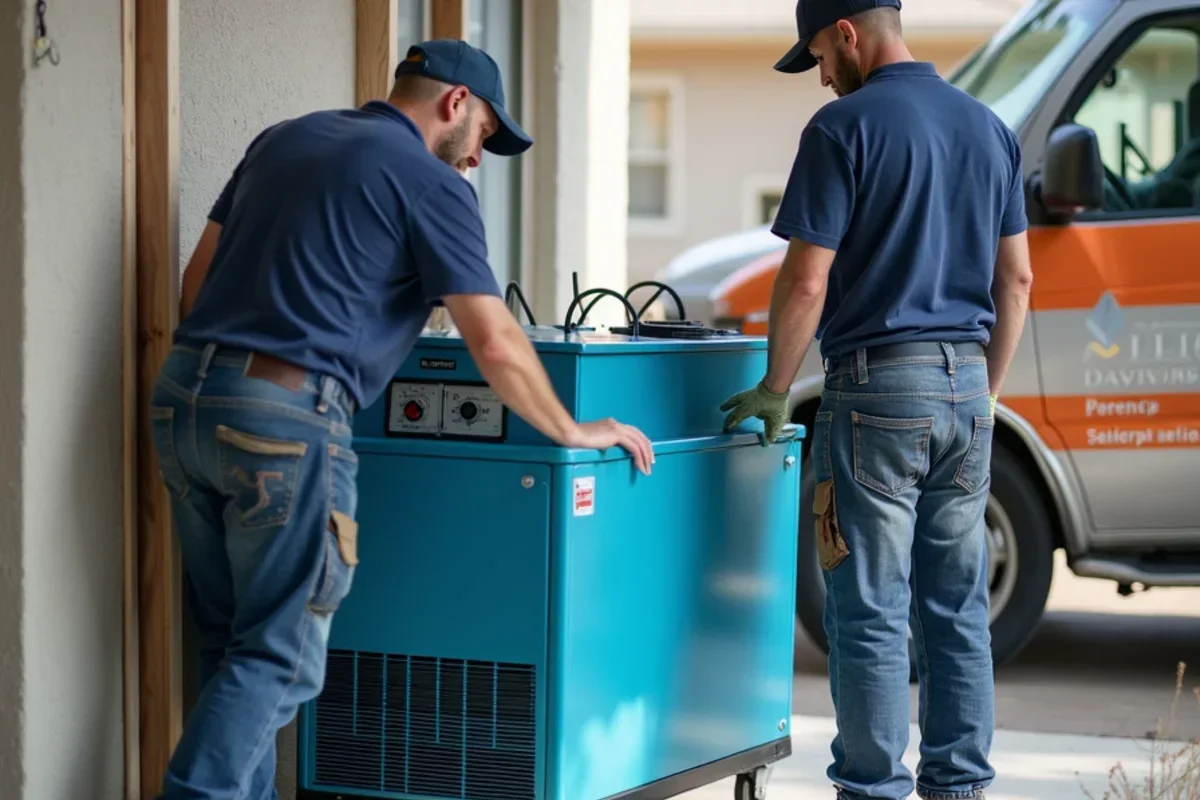
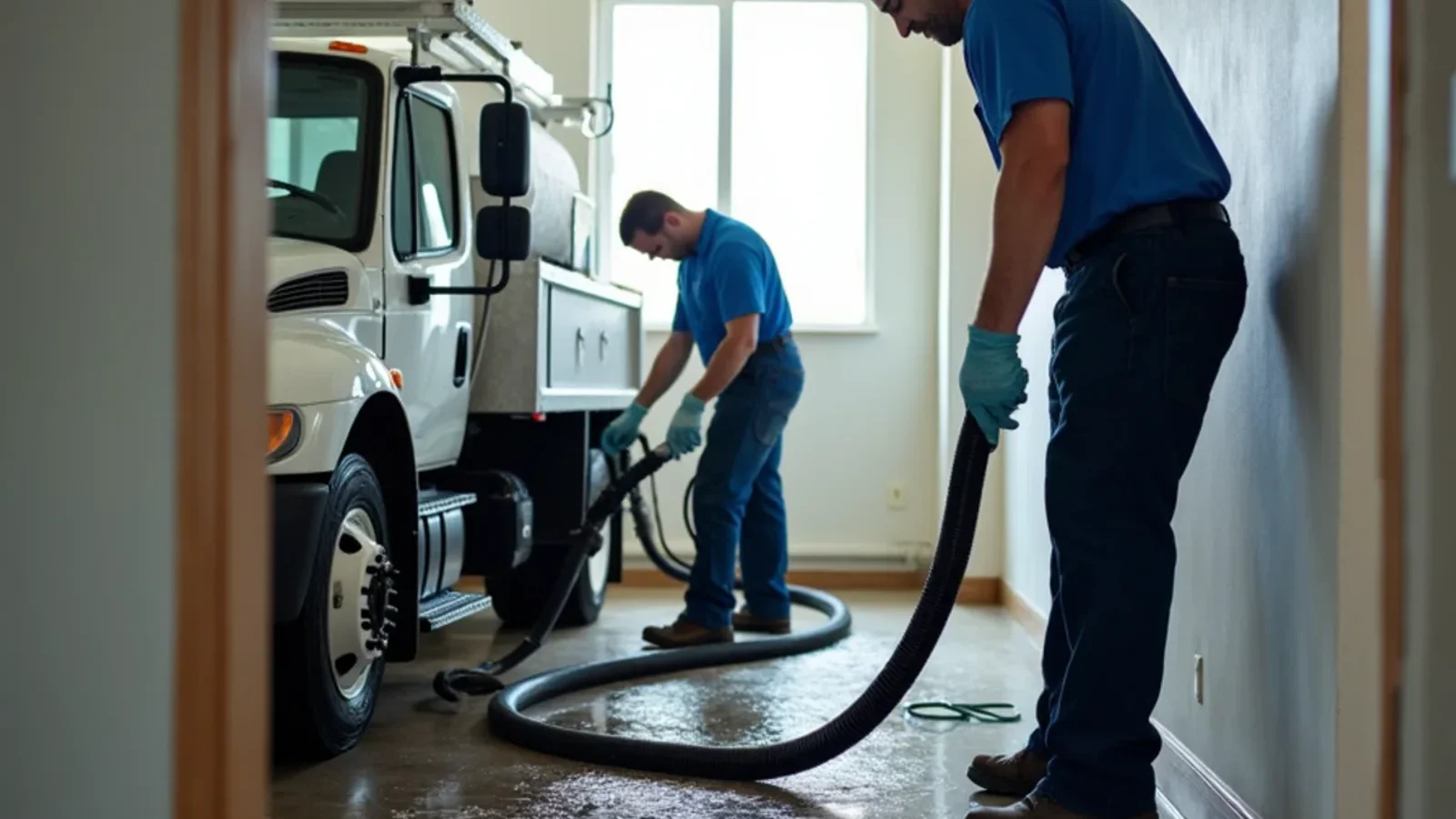
- Step 5: Call Ogden Mold Removal Solutions at (866) 688-0301 — Our 24 hour water damage restoration Ogden Utah dispatch team mobilizes immediately. We perform emergency water extraction Ogden UT residents rely on, provide fast water leak cleanup Ogden homes need, and initiate burst pipe cleanup Ogden crews handle with industrial drying equipment before mold begins to cultivate within the EPA-recognized 24 to 48 hours window.