
Syracuse’s scenic position on the eastern shores of the Great Salt Lake creates persistent groundwater and soil moisture challenges for modern finished basements. Located just 15 to 20 minutes from our central Ogden facility, our certified emergency crews deploy 24/7 with industrial extraction pumps, commercial LGR dehumidifiers, and thermal imaging diagnostics.
Great Salt Lake Shoreline Hydrology & Saline Clay Soil Moisture
Serving as the northern gateway to Antelope Island State Park, Syracuse occupies flat lakebed lowlands stretching between the I-15 corridor and the expansive marshland shoreline of the Great Salt Lake. Over the past two decades, historic alfalfa fields and family orchards have transformed into master-planned residential communities along Antelope Drive (SR-127), 2000 West, 3000 West, and Bluff Road.
Beneath these modern subdivisions lies fine lacustrine silt and dense saline clay deposited by ancient Lake Bonneville. These soils exhibit exceptionally low natural drainage capacity and remain saturated year-round. In neighborhoods surrounding Jensen Nature Park and Canterbury Park, the local water table routinely sits within 18 to 36 inches of ground level. Saturated saline groundwater exerts continuous hydrostatic pressure against sub-grade foundation walls and basement cold joints, frequently causing mineral efflorescence, concrete spalling, and sudden groundwater intrusion.
Antelope Drive Subdivisions & Deep Finished Basement Risks
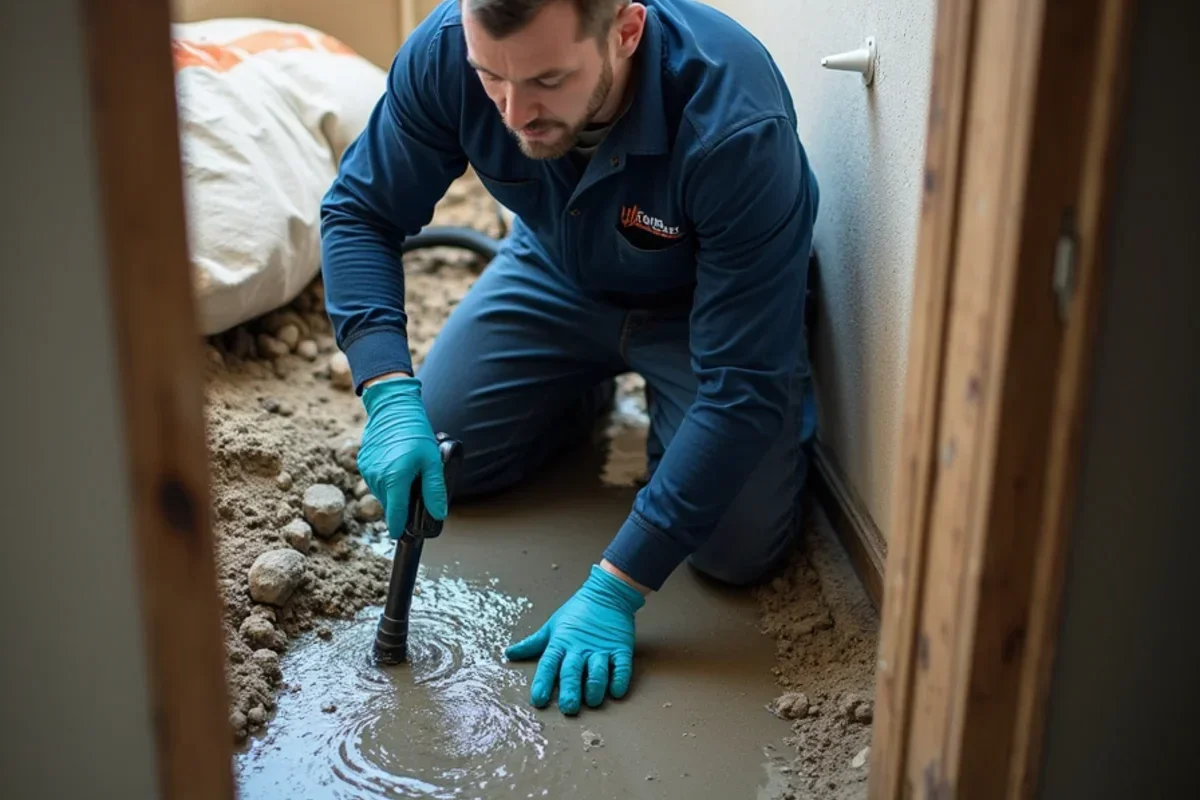
Many of Syracuse’s newer residences feature expansive 2,500-to-3,500-square-foot finished basements with high-end amenities, including home theaters, daylight guest bedrooms, custom wet bars, and floating luxury vinyl plank (LVP) or plush carpeting over dense foam padding. Because these basements are excavated 8 to 9 feet below grade, they operate below the seasonal groundwater table.
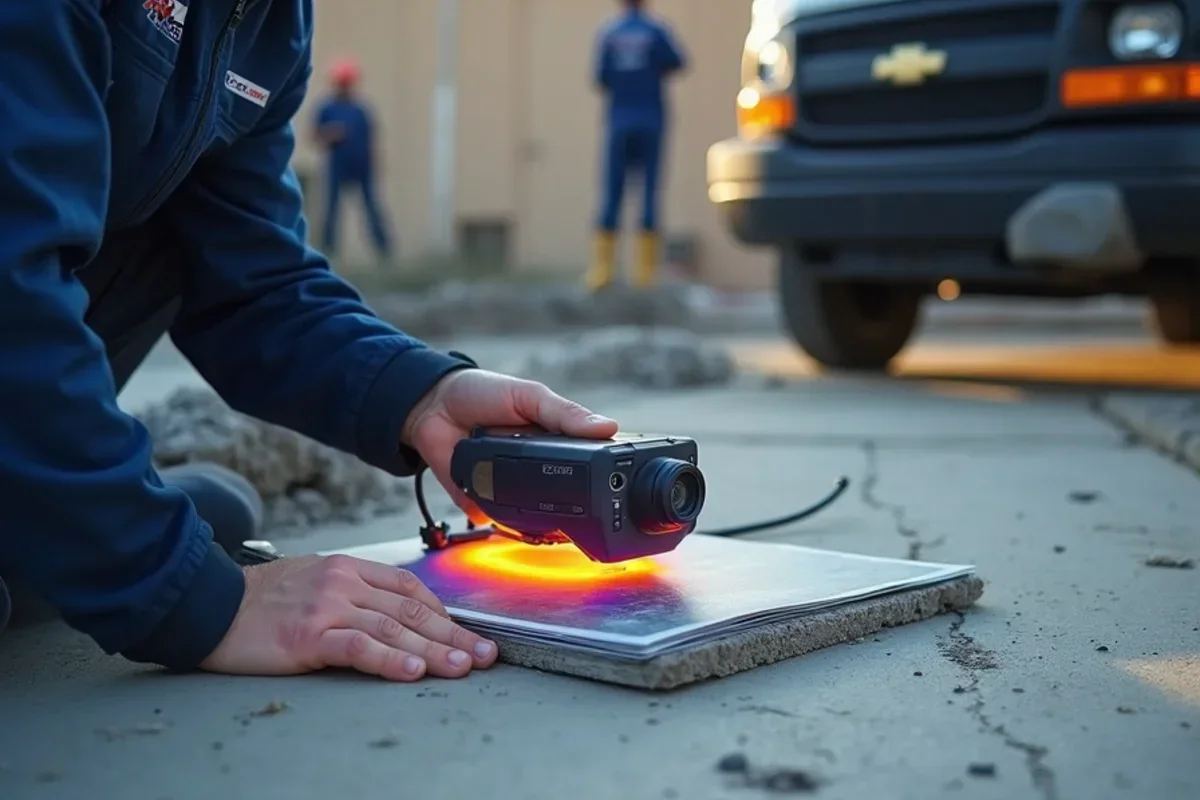
Homeowners rely heavily on primary electric sump pumps that run continuously during spring snowmelt and summer irrigation periods. When an intense Wasatch thunderstorm causes a localized power outage, or when an aging mechanical float switch binds, groundwater floods the basement slab within hours. Escaping groundwater rapidly travels beneath floating LVP flooring, wicking upward into interior drywall baseplates and fiberglass insulation. Without rapid commercial water extraction and targeted structural cavity drying, trapped moisture initiates toxic mold growth within 24 to 48 hours. Our certified technicians utilize FLIR thermal cameras to map hidden moisture paths across large basement footprints.
Restoration Services Engineered for Lake Lowland Homes
We tailor our ANSI/IICRC S500 restoration protocols to the unique foundation depths, lake basin soil chemistry, and modern finishes found throughout Syracuse residences:
- High-Displacement Submersible & Vacuum Dewatering: Rapidly extracting standing groundwater from deep finished basements and overflowing sump pits using commercial equipment.
- Specialized Floating Floor & LVP Cavity Drying: Carefully releasing perimeter moldings to inject warm, dehumidified air beneath floating floors, salvaging luxury vinyl planks without tear-out.
- Thermal Imaging Non-Invasive Diagnostics: Scanning basement perimeter walls and concrete slabs with FLIR thermography to detect hidden moisture boundaries behind finished drywall.
- Controlled Precision Drywall Flood Cuts: Executing clean horizontal cuts 12 to 24 inches above water wicking lines, removing wet insulation, and exposing studs for sanitization.
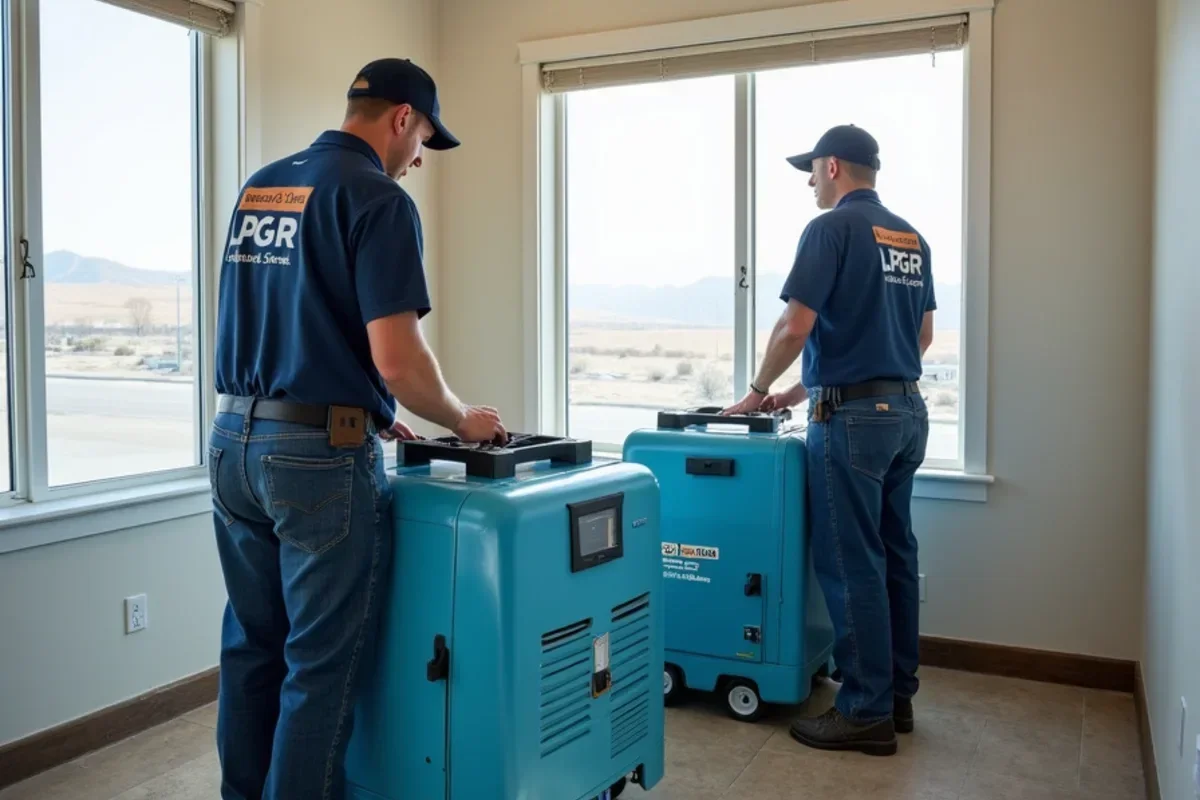
- Industrial Low-Grain Refrigerant (LGR) Dehumidification: Operating commercial dehumidifiers to pull deeply bound water out of concrete foundations, subfloors, and structural framing down to certified dry standards.
- Turnkey Rebuild & Architectural Reconstruction: Providing complete drywall repair, texturing, trim carpentry, and flooring replacement under a single comprehensive contract.
Five-Phase Lake Lowland Drying Protocol for Syracuse Residences
Our systematic mitigation sequence adheres to ANSI/IICRC S500 guidelines to ensure full moisture elimination and prevent secondary microbial contamination:
- Phase 1: Rapid Isolation & Safety Triage: Reaching your property in 15 to 20 minutes, shutting off domestic water supplies, and checking flooded sub-slabs for electrical grounding hazards.
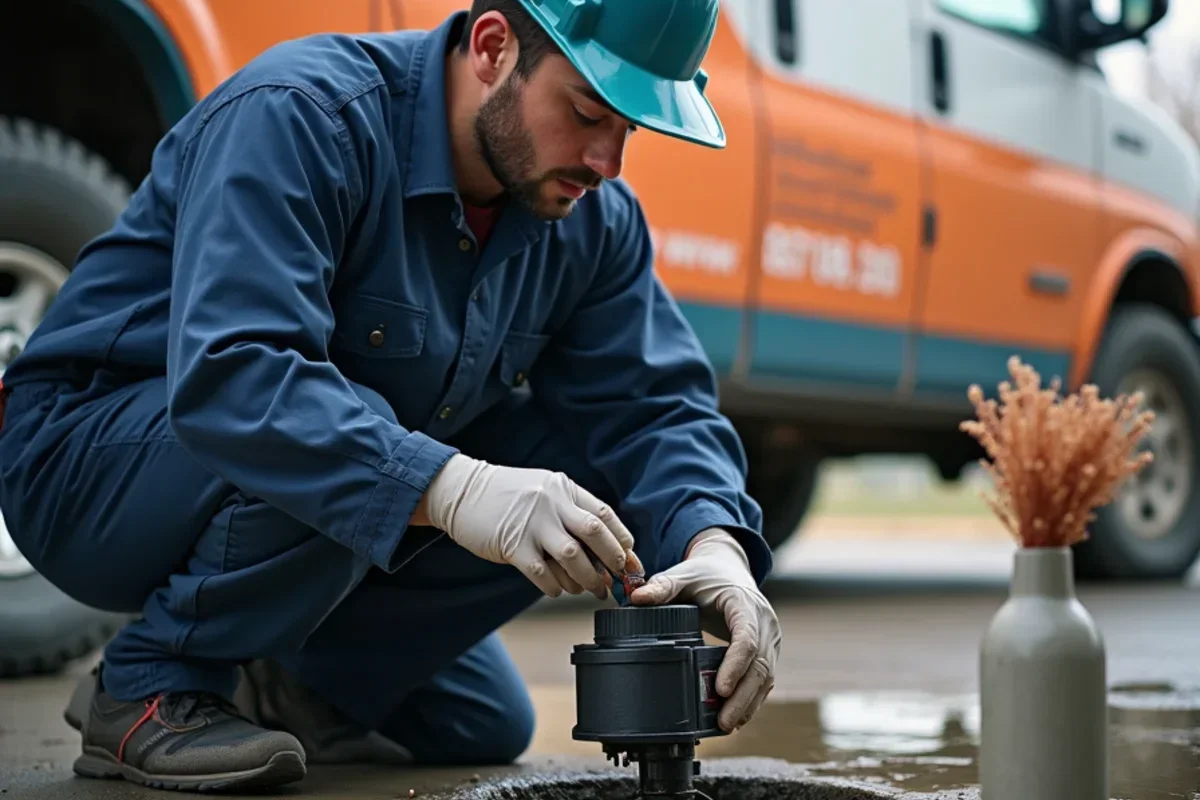
- Phase 2: High-Volume Slab Dewatering: Utilizing truck-mounted vacuum extractors and submersible pumps to remove standing lake seepage from basement slabs and sumps down to the concrete.
- Phase 3: Targeted Cavity Injection & Moisture Access: Removing vinyl baseboards and installing directional drying injectors to blow warm, dry air into wet wall assemblies, preventing drywall rot.
- Phase 4: Low-Grain Refrigerant Dehumidification: Operating industrial LGR dehumidification units round-the-clock to capture moisture vapor evaporating from concrete slabs and wood studs.
- Phase 5: Antimicrobial Sanitization & Final Dry Verification: Applying botanical EPA-registered disinfectants and recording daily pin-meter readings until structural framing meets dry standards.
Syracuse Title 4 Stormwater Code & Sump Discharge Rules
Managing high groundwater in Syracuse is governed by Syracuse City Municipal Code Title 4 (Utilities - Stormwater Management). City regulations strictly forbid discharging basement sump pumps, foundation perimeter drains, or groundwater runoff into the municipal sanitary sewer network. Discharging sump runoff into domestic sewer drains overloads city wastewater lift stations during storm events, leading to municipal citations and potential neighborhood sewage backups.
Under Syracuse city standards, all basement sump discharge pipes must direct water outdoors to approved surface swales, street curb gutters, or on-site landscaped retention basins. Because freezing winter temperatures along the Wasatch Front routinely ice up shallow outdoor lines, our technicians verify that sump discharge lines feature freeze-resistant air gaps and proper gravity pitch. We also recommend installing dual-pump assemblies with dedicated auxiliary battery backup systems to safeguard deep finished basements against power outages during severe thunderstorm downpours.
24/7 Water Damage Emergency? We Are on Call Right Now
Speak directly with our Ogden restoration dispatchers. We arrive within the hour across Weber County with industrial water extraction pumps and rapid structural drying equipment.
- 5★ on Google (4 reviews)
- 24/7 Live Dispatch
- 60-Min Emergency Arrival
- Fully Insured
- Free Assessments
- Serving Ogden & Northern Utah since 2023