
West Haven’s flat alluvial river-bottom geography creates intense groundwater pressure on residential foundations. Located directly at the confluence of the Ogden and Weber rivers, our rapid-response restoration units deploy from downtown Ogden in 10 to 15 minutes, delivering commercial water extraction, structural desiccant drying, and verified antimicrobial sanitization.
Why Weber River Confluence & Alluvial Soils Flood Basements
West Haven has transformed rapidly from agricultural pastures and dairy farms into sprawling master-planned subdivisions. However, the underlying hydrogeology remains tied to the active floodplain of the Weber River basin. Homes constructed along 1900 West, 2100 South, 3300 South, and 4000 South rest on fine alluvial sand and silty clay deposits that retain seasonal moisture and exhibit very poor natural drainage.
During the spring snowmelt from the Wasatch Range, the Ogden and Weber rivers swell, dramatically elevating the subterranean water table across West Haven to within 24 to 36 inches of ground level. This saturated condition exerts tremendous hydrostatic pressure against sub-grade foundation slabs and cold joints. When intense spring rainstorms strike saturated soil, or when irrigation ditches and the Kanesville Canal flow at peak capacity, basement sumps run nonstop. A single power blink, jammed float switch, or unseated check valve results in catastrophic subterranean flooding that inundates finished family rooms, bedroom carpets, and storage spaces within minutes.
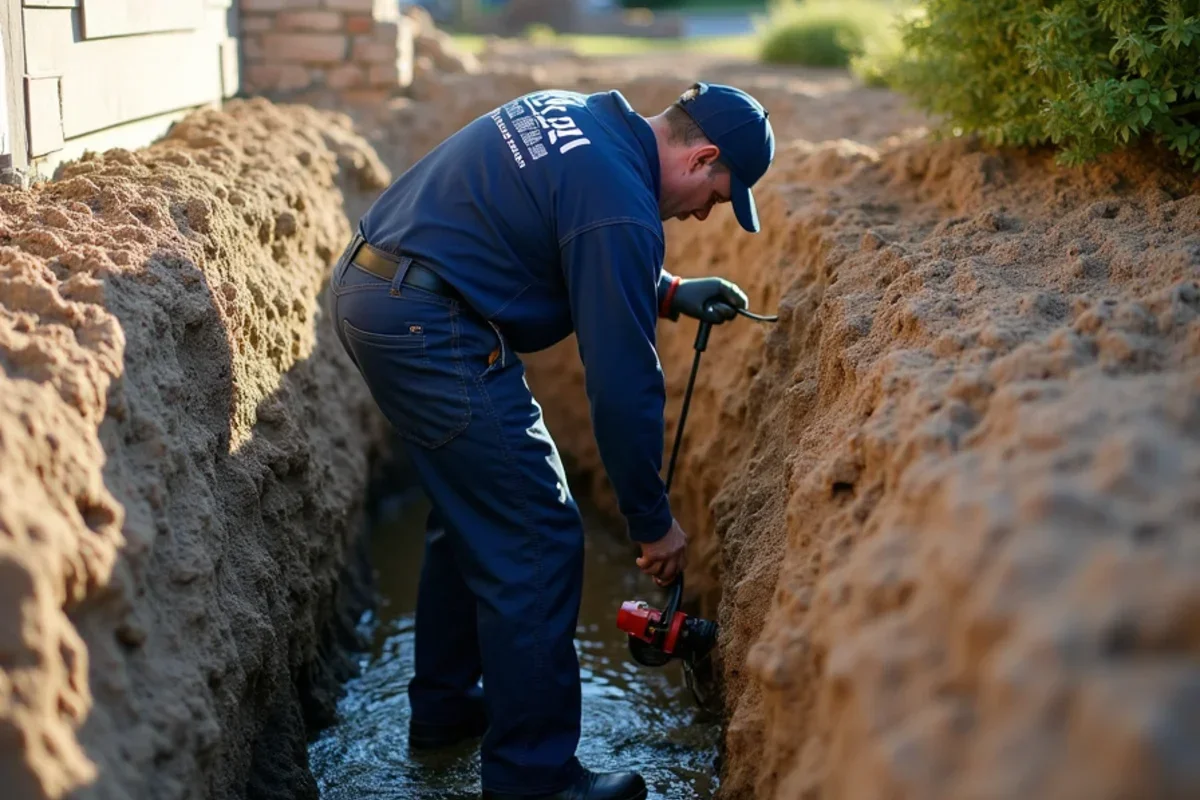
Groundwater Hydrostatic Pressure Along 1900 West & Midland Drive
Many of West Haven’s modern subdivisions—such as those near Salt Point, Prevedel Park, and Country Haven—feature expansive 2,000-to-3,000-square-foot finished basements. Property owners frequently install luxury vinyl plank (LVP), custom underlayments, drywall partitions, and high-efficiency mechanical systems below grade. When groundwater forces its way through foundation perimeter cold joints, water travels beneath floating LVP flooring without leaving obvious surface puddles.
Trapped groundwater under floating floors quickly wicks upward into interior drywall plates, insulation batting, and hollow door casings. Without aggressive structural dehumidification, destructive mold colonies (including Aspergillus, Penicillium, and Stachybotrys) establish on moist drywall cellulose within 24 to 48 hours. Our certified technicians utilize FLIR high-resolution thermal imaging cameras and Tramex non-invasive capacitance meters to map every concealed moisture track through basement slabs, subflooring assemblies, and wall cavities, ensuring complete structural remediation before decay sets in.
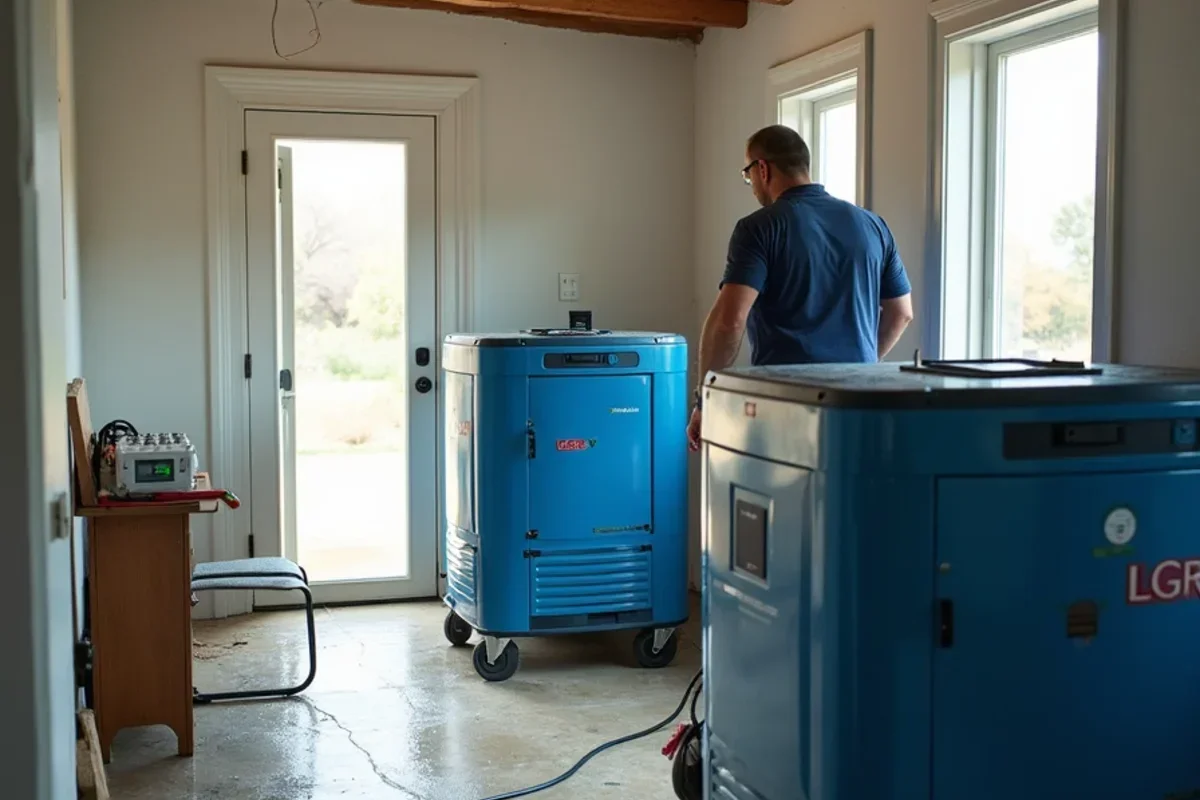
Restoration Services Engineered for West Haven Subdivisions
We tailor our ANSI/IICRC S500 restoration protocols specifically to the construction styles, soil conditions, and water contamination categories encountered across West Haven neighborhoods:
- Submersible Pump Extraction & Hydrostatic Pit Clearing: Deploying high-volume trash pumps and truck-mounted vacuum units to rapidly pull thousands of gallons of standing river runoff or failed-sump water from basement pits.
- Subfloor & Floating LVP Cavity Drying: Carefully unlocking floating luxury vinyl planks, salvaging water-resistant floor surfaces, and applying directed air injection to dry sub-slab concrete without unnecessary demolition.
- Finished Basement Precision Flood Cuts: Executing clean 12-to-24-inch drywall flood cuts above water wicking margins, safely extracting saturated fiberglass insulation, and treating structural timber with EPA-registered botanical antimicrobials.
- Rapid Structural Desiccant & LGR Dehumidification: Operating low-grain refrigerant (LGR) and desiccant dehumidifiers to drop relative humidity below 35%, pulling deeply trapped moisture from foundation sill plates and joist cavities.
- Category 3 River & Agricultural Runoff Decontamination: Performing complete biocide wash-downs, HEPA air filtration, and micro-particle scrubbing when water carries river sediment or agricultural drainage pathogens.
- Turnkey Reconstruction & Finish Rebuilding: Reinstalling vapor barriers, mold-resistant gypsum board, baseboards, and flooring to return your West Haven home to pristine condition under a single contract.
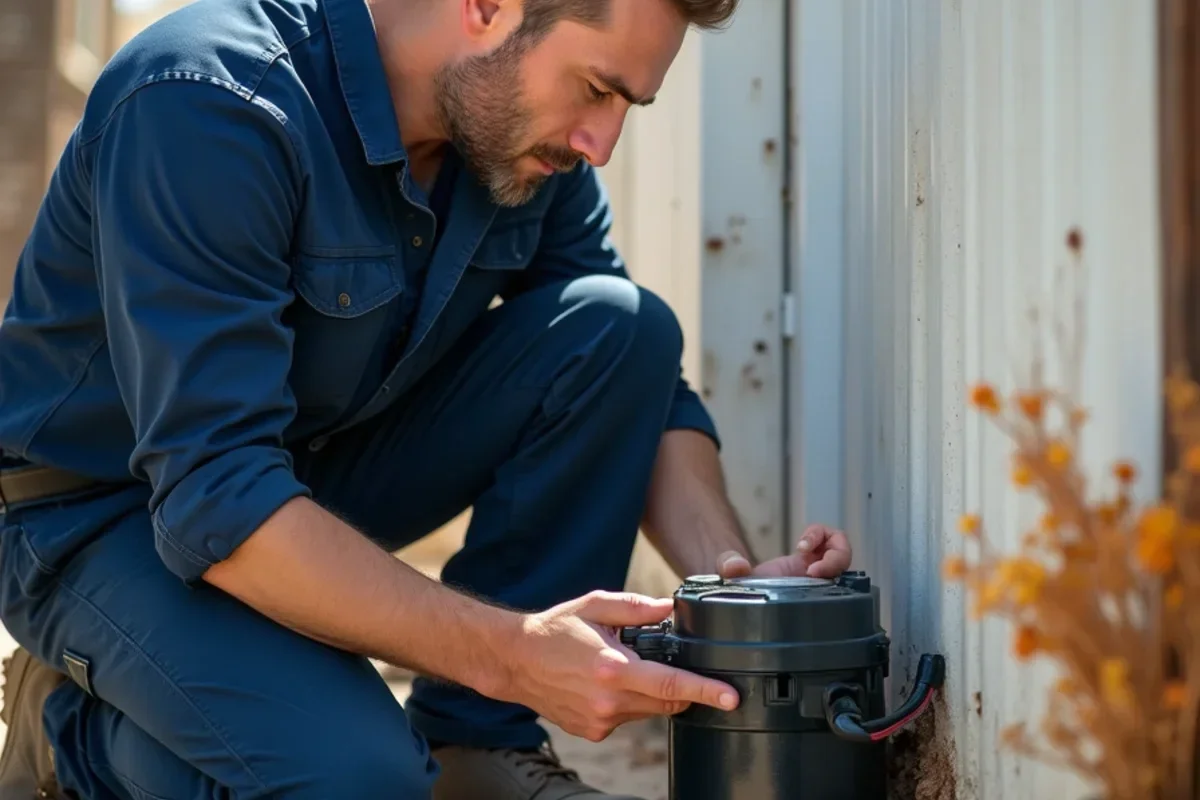
5-Step Water Extraction & Structural Drying Protocol
Our systematic restoration process guarantees comprehensive moisture removal and prevents secondary microbial growth:
- 1. Rapid Triage & Safety Inspection: Arriving within 15 minutes to isolate electrical circuits in flooded basements, identify incoming water pathways, and classify water contamination per IICRC standards.
- 2. High-Capacity Water Extraction: Utilizing truck-mounted vacuum extractors and heavy-duty submersible pumps to remove standing water from concrete slabs, sumps, and floor coverings down to the bare subfloor.
- 3. Controlled Demolition & Moisture Evaporation: Removing non-salvageable wet carpet pad, baseboards, and wet drywall, while placing high-velocity centrifugal air movers along wall perimeters to accelerate evaporation.
- 4. Industrial Climate Control & Dehumidification: Sealing the affected basement envelope and operating commercial LGR dehumidifiers to pull gallons of evaporated water vapor from structural framing daily.
- 5. Daily Psychrometric Monitoring & Verification: Tracking moisture content (MC%) in timber framing and concrete slabs using calibrated penetrating pins until all structural elements meet dry baseline standards.
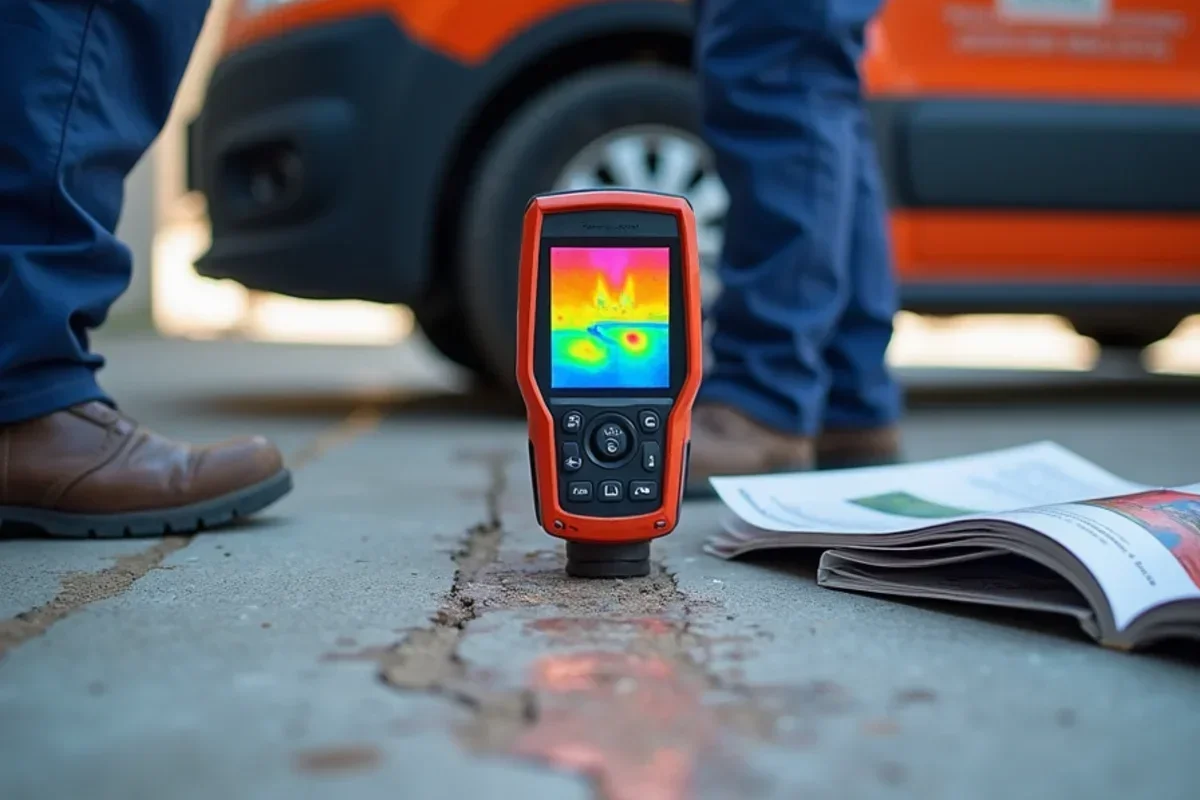
Sump Pump Discharges & West Haven Storm Drainage Code
West Haven City ordinances strictly govern property drainage and stormwater management. Under West Haven Municipal Code Title 7, property owners are expressly prohibited from discharging basement sump pump runoff, roof drainage, or surface water into the municipal sanitary sewer system. Connecting sump discharge lines into indoor sewer cleanouts or floor drains overloads municipal lift stations and can incur significant city citations.
All basement sump pump discharge lines in West Haven must route to approved exterior storm drainage swales, daylight discharge locations on the homeowner’s parcel, or designated street gutters where allowed. Furthermore, because prolonged sub-zero winter temperatures along the Wasatch Front can freeze shallow exterior discharge pipes, our team inspects your sump lines for freeze-proof check valves and air gaps. In addition, we advise homeowners on installing dual-pump assemblies with dedicated auxiliary battery backup systems to safeguard deep basements against power outages during violent summer thunderstorms.
24/7 Water Damage Emergency? We Are on Call Right Now
Speak directly with our Ogden restoration dispatchers. We arrive within the hour across Weber County with industrial water extraction pumps and rapid structural drying equipment.
- 5★ on Google (4 reviews)
- 24/7 Live Dispatch
- 60-Min Emergency Arrival
- Fully Insured
- Free Assessments
- Serving Ogden & Northern Utah since 2023