
Microbial remediation permanently eradicates active fungal colonies, but porous building materials remain susceptible to future moisture fluctuations. Mold encapsulation establishes an impenetrable secondary barrier. Our certified technicians apply commercial-grade, EPA-registered fungistatic polymer coatings that bond molecularly with timber framing and masonry, permanently denying mold the moisture and organic nutrients required for germination.
Advanced Antimicrobial Mold Encapsulation Across Ogden & Weber County
Dimensional framing lumber, structural oriented strand board (OSB), subfloor plywood, and concrete foundation masonry are inherently porous. Even after aggressive mechanical remediation—such as dry ice blasting, wire-brushing, or HEPA sanding—microscopic microscopic fungal hyphae can sit dormant deep within wood tracheids and concrete capillary pores. When seasonal humidity levels rise along the Wasatch Front, or when plumbing leaks re-introduce moisture, these dormant fungal structures can re-activate and recolonize treated surfaces.
Mold encapsulation provides the definitive barrier that guarantees permanent prevention. In Weber County homes—from historic century-old residences along 25th Street and Eccles Avenue to modern slab-on-grade and crawl space construction in West Haven, Roy, and Pleasant View—environmental conditions vary drastically across seasons. Subterranean crawl spaces face intense summer humidity spikes, while attic roof planes endure freezing winter condensation and ice dam melt. Our commercial elastomeric encapsulants create an impenetrable, durable protective shield engineered specifically to withstand Northern Utah’s dramatic temperature and moisture swings.
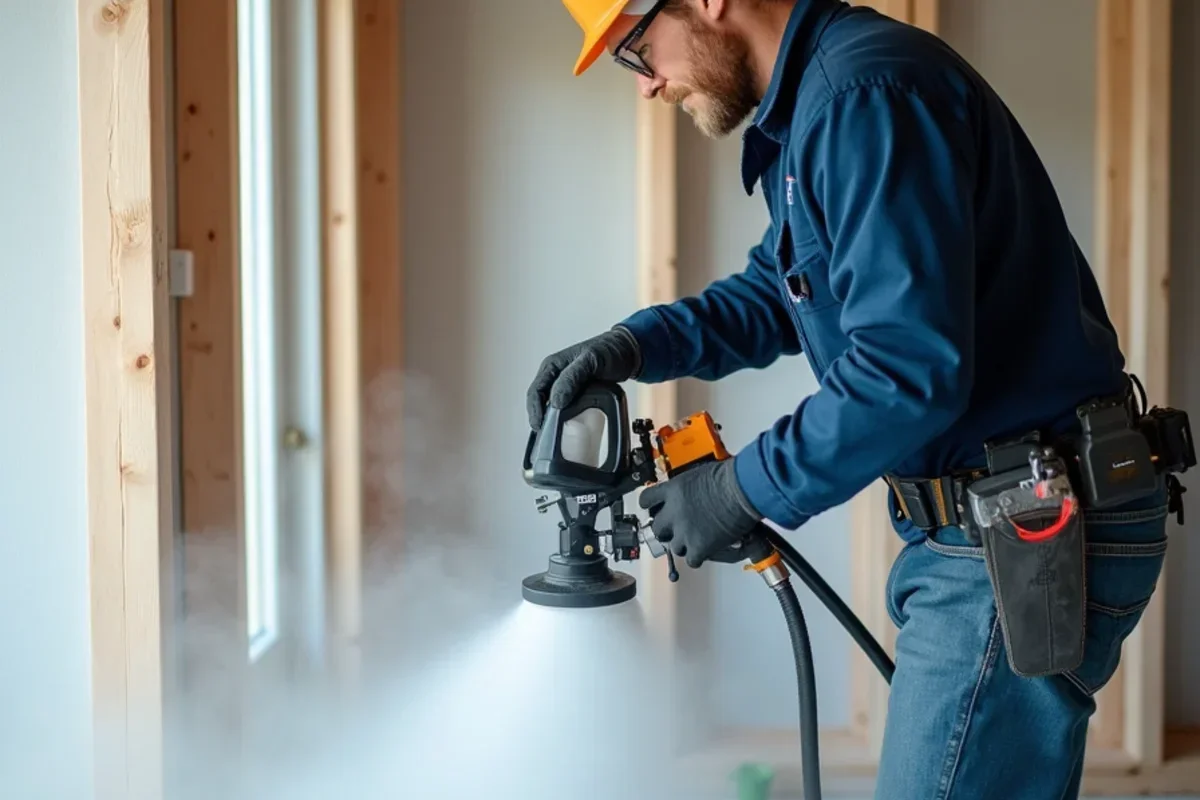
What Our Professional Mold Encapsulation Service Includes
Applying an encapsulating barrier requires specialized industrial spray equipment and rigorous surface preparation. Our comprehensive encapsulation process includes:
- Substrate Moisture Equilibrium Verification: Calibrated moisture meter scanning across all framing and masonry to certify lumber reads below 15% wood moisture equivalent (WME) prior to coating.
- Mechanical Decontamination & HEPA Detailing: Exhaustive surface preparation, wire-brushing, and certified 99.97% HEPA vacuuming to remove all surface dust and loose wood fiber for maximum coating adhesion.
- Airless Spray Application of EPA-Registered Polymers: Deploying high-pressure commercial airless spray rigs to apply uniform elastomeric fungistatic coatings across structural timbers and foundation walls.
- Tinted White or Clear Protective Formulations: Offering bright white coatings that dramatically improve crawl space and basement lighting, or crystal-clear vapor-permeable formulations that preserve wood grain aesthetics.
- Masonry & Concrete Foundation Wall Sealing: Applying heavy-duty penetrating silane/siloxane and polymer sealants that block hydrostatic vapor transmission through porous cinder block and concrete stem walls.
- Long-Term Transferable Warranty Protection: Providing documented manufacturer-backed warranty packages confirming long-term resistance against fungal regrowth, highly valued during property resale.
Critical Structural Zones Requiring Encapsulation in Northern Utah Homes
Encapsulating coatings are engineered specifically for building cavities and unconditioned spaces subject to chronic or seasonal dampness. Our technicians routinely apply protective encapsulation across four primary property zones:
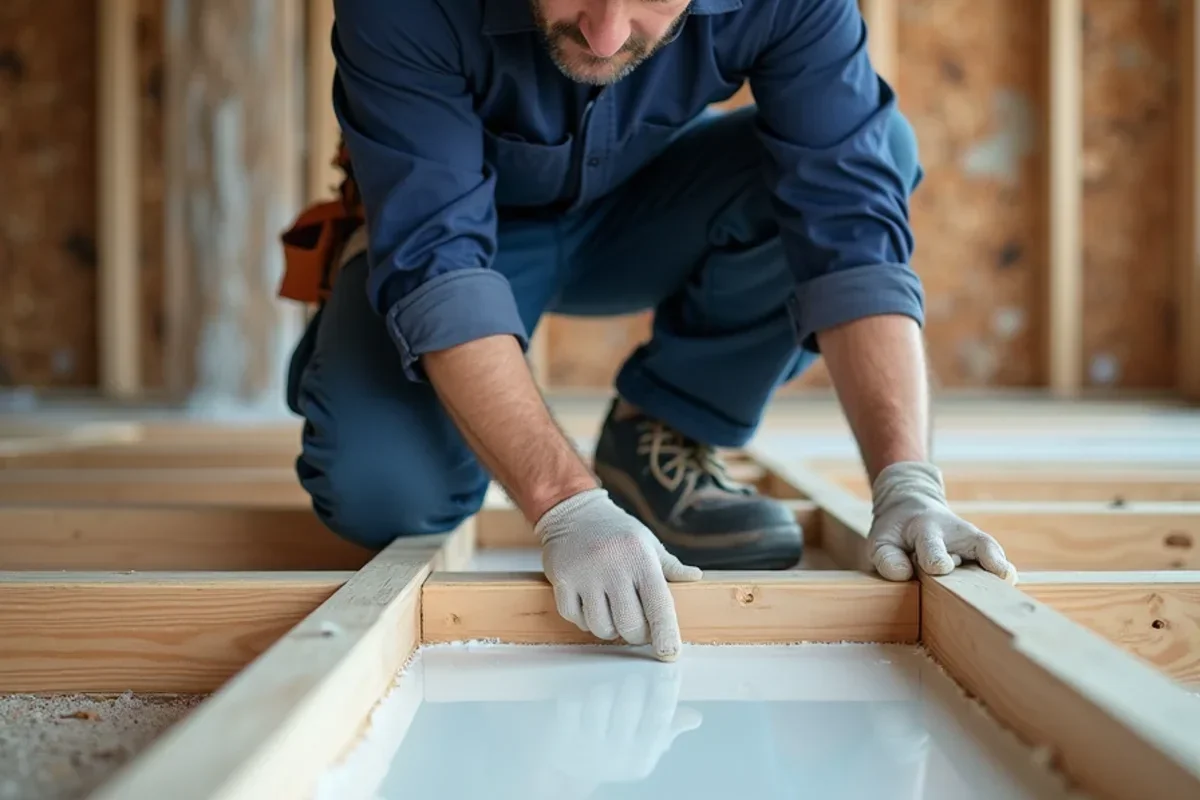
Crawl Space Subflooring & Floor Joists: Crawl spaces along the Weber and Ogden river basins experience relentless hydrogeological dampness. Ground vapor continually rises against exposed subfloor sheathing and wooden floor joists. Encapsulating these subterranean timbers seals off organic cellulose from atmospheric dampness, preventing structural rot and fungal colonization.
Below-Grade Basement Foundation Walls & Stud Bays: Concrete foundation walls are porous sponges that absorb moisture from exterior backfill soils through capillary wicking. Applying antimicrobial masonry sealants blocks efflorescence, stops subterranean odors, and prevents moisture from migrating into finished basement drywall assemblies.
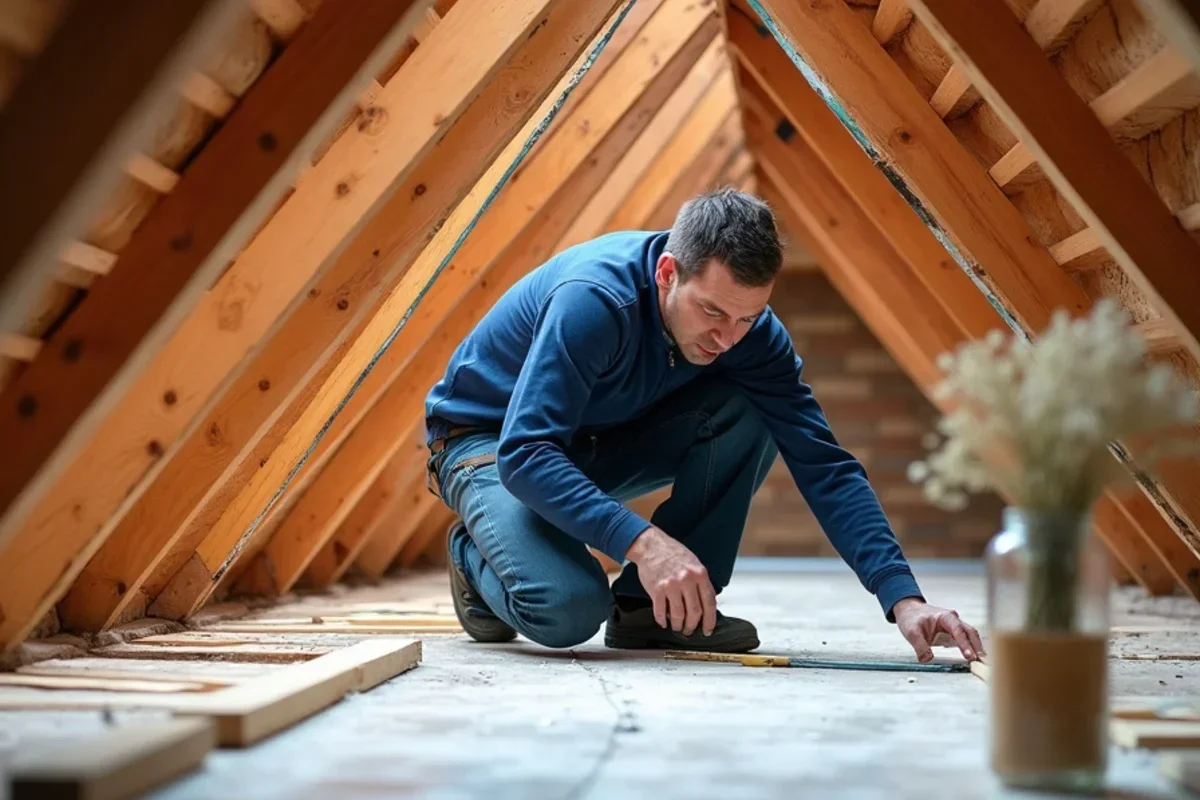
Attic Roof Decking & Rafter Assemblies: During freezing Weber County winters, humid indoor air condenses on the underside of cold roof plywood. Applying vapor-permeable, breathable encapsulants to attic sheathing provides a durable fungistatic barrier that repels condensation and prevents ice-dam-induced mold growth.
Bathroom Wet Wall Stud Bays & Kitchen Plumbing Chases: Following a localized pipe leak or shower pan failure, applying antimicrobial encapsulants to exposed 2x4 studs inside plumbing cavities provides an extra layer of defense before hanging new drywall.
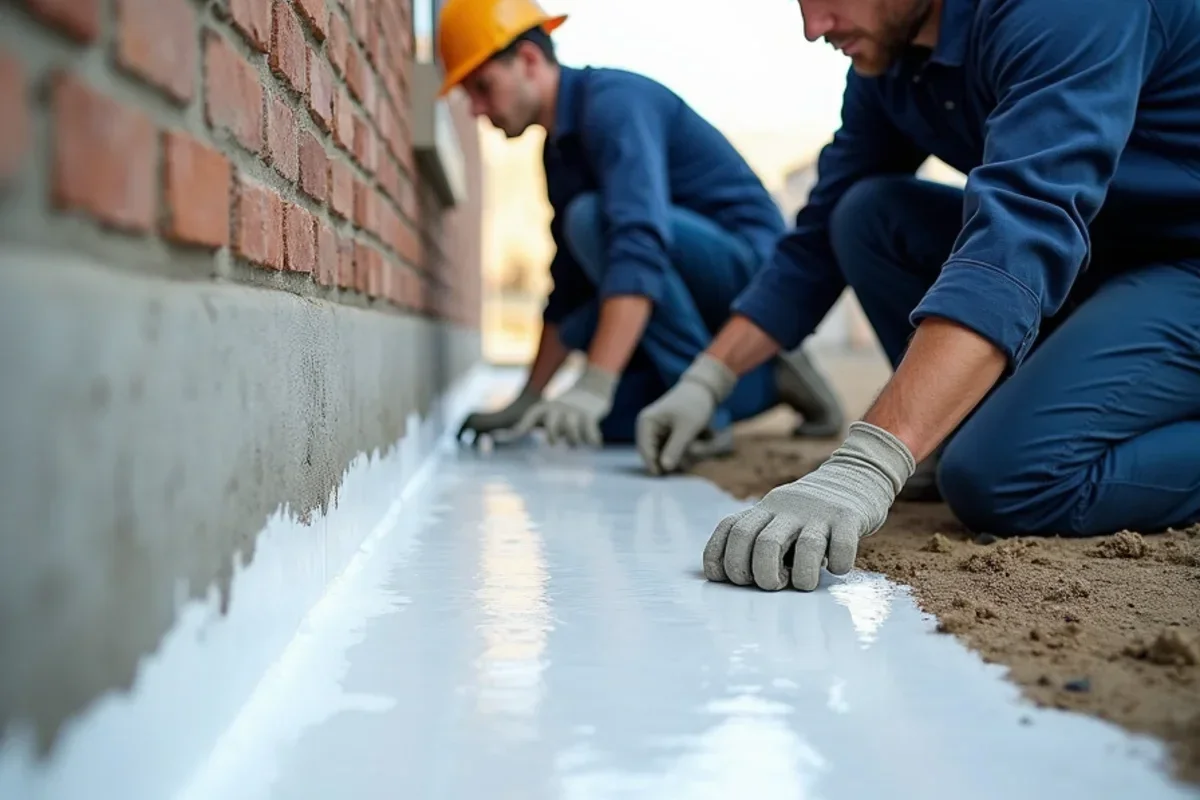
Our 5-Step Commercial Encapsulation Application Protocol
We adhere to a disciplined, five-stage application workflow to ensure flawless coating adhesion and long-lasting antimicrobial performance:
- 1
Substrate Moisture Audit & Temperature Conditioning
Technicians scan treated surfaces with calibrated moisture meters to ensure framing reads below 15% moisture content. We deploy indirect-fired heaters or dehumidifiers to establish optimal substrate temperature and ambient relative humidity.
- 2
Micro-Cleaning & Surface Debridement
All structural surfaces undergo detailed HEPA vacuuming and solvent damp-wiping to eliminate residual sawdust, particulate, and chemical residues that could impair coating bonding.
- 3
High-Pressure Airless Spray Rig Calibration
We utilize commercial Graco airless sprayers fitted with reversible carbide spray tips, maintaining 2,000 to 3,000 PSI fluid pressure for deep atomization into porous wood grain.
- 4
Uniform Mil-Thickness Application & Inspection
Technicians apply a continuous, pinhole-free wet film of ten to twelve mils, utilizing wet-film thickness gauges to verify consistent coverage across all joists, subfloor sheathing, and sill plates.
- 5
Controlled Curing Environmental Management & Warranty Issuance
We maintain low-humidity airflow across treated assemblies for twenty-four hours to facilitate complete polymer cross-linking, issuing an official Certificate of Encapsulation upon completion.
24/7 Water Damage Emergency? We Are on Call Right Now
Speak directly with our Ogden restoration dispatchers. We arrive within the hour across Weber County with industrial water extraction pumps and rapid structural drying equipment.
- 5★ on Google (4 reviews)
- 24/7 Live Dispatch
- 60-Min Emergency Arrival
- Fully Insured
- Free Assessments
- Serving Ogden & Northern Utah since 2023
Mold Encapsulation Cost Factors in Weber County
The cost of mold encapsulation in Ogden and Weber County depends on the square footage of the treatment area, the clearance height and accessibility of the space (attic headspace vs crawl space clearance), the complexity of masking mechanical fixtures, and the coating formulation selected. Localized encapsulation for a single bathroom stud cavity or basement utility room typically ranges from $650 to $1,400.
Whole-crawlspace or complete attic roof sheathing encapsulation projects for an average 1,200 to 2,000 sq ft home generally range from $1,800 to $4,200. Because our encapsulating sealants provide documented, long-term mold resistance, this one-time investment protects thousands of dollars in structural timber framing and significantly increases property value during home buyer inspections.
EPA FIFRA Regulations, ASTM D3273 Testing & Utah Building Codes
Commercial mold encapsulants applied in residential dwellings must comply with stringent federal and state chemical safety regulations. Under the Federal Insecticide, Fungicide, and Rodenticide Act (FIFRA) administered by the EPA, any coating claiming antimicrobial or fungistatic properties must undergo rigorous laboratory testing and carry an active EPA registration number confirming zero toxic off-gassing once cured.
Our encapsulating products are tested in accordance with ASTM D3273 (Standard Test Method for Resistance to Growth of Mold on the Surface of Interior Coatings in an Environmental Chamber), consistently achieving perfect 10/10 ratings with zero fungal defacement after 28 days of severe chamber exposure. Furthermore, all applied coatings comply with the International Residential Code (IRC) Class A fire-rating flame-spread standards, ensuring full building code compliance across Weber County.
Why Choose Ogden Mold Removal Solutions for Mold Encapsulation?
Achieving permanent barrier protection requires commercial spray equipment, certified coating chemistry, and meticulous application standards:
- Commercial-Grade Airless Spray Systems: High-pressure industrial spray rigs that drive polymer coatings deep into wood grain pores rather than resting superficially on the surface.
- Zero-VOC & Low-Odor Water-Based Polymers: Safe, non-toxic formulations that cure rapidly without releasing offensive chemical fumes into your living areas.
- Vapor-Permeable Breathable Technology: Advanced coatings that block liquid water and mold spores while allowing wood framing to release natural internal vapor.
- Centrally Located at 189 25th St: Direct downtown Ogden operational presence providing prompt scheduling and dependable local warranty service.
- 5.0-Star Google Rating & Transferable Warranties: Highly recommended by Ogden homeowners, realtors, and commercial property managers for lasting quality.
Mold Encapsulation — Frequently Asked Questions
- No. Painting over untreated mold with regular household paint traps moisture and organic matter, allowing fungal hyphae to consume both the paint and underlying wood. True encapsulation is performed only AFTER deep physical remediation and uses EPA-registered elastomeric polymers formulated with active biocides that permanently inhibit spore germination.