
Microbial contamination inside your heating, ventilation, and air conditioning (HVAC) system turns your home’s forced-air ductwork into an active distribution network for toxic fungal spores. Operating a contaminated system continuously circulates mycotoxins, allergens, and musty odors into every bedroom and living space. Our certified technicians follow strict National Air Duct Cleaners Association (NADCA) protocols, deploying heavy-duty HEPA negative air vacuums and EPA-registered antimicrobials to restore pure indoor air.
Professional HVAC & Air Duct Mold Remediation in Ogden & Weber County
Forced-air heating and cooling systems are the respiratory system of residential and commercial properties throughout Northern Utah. In Weber County, our climate subjects HVAC systems to severe seasonal extremes: scorching summer temperatures exceeding ninety-five degrees demand continuous air conditioning, while freezing winter inversions keep high-efficiency gas furnaces running around the clock. During these transitions, moisture and airborne particulate matter frequently combine inside dark, enclosed ductwork, creating an ideal incubator for fungal colonization.
In older Ogden homes—including bungalows near 25th Street and mid-century properties in South Ogden and Roy—ductwork often runs through unconditioned crawl spaces or attics. Uninsulated or aging galvanized sheet metal ducts experience intense thermal bridging: cool, air-conditioned summer air chills duct walls, causing humid attic air to condense on exterior and interior metal surfaces. Over time, standing condensation mixes with settled organic dust, pet dander, and winter inversion soot, fostering aggressive colonies of Aspergillus, Penicillium, and Cladosporium along duct seams and acoustic fiberglass insulation liners.
Furthermore, many Ogden residences still utilize rooftop evaporative swamp coolers connected directly to furnace duct systems. When swamp coolers pump moist, unconditioned outdoor air through ductwork without adequate drying cycles, moisture pools in horizontal trunk lines, coating interior duct surfaces in microbial biofilm. Our comprehensive HVAC remediation eliminates fungal roots and sanitizes every component from the intake grille to the supply diffuser.
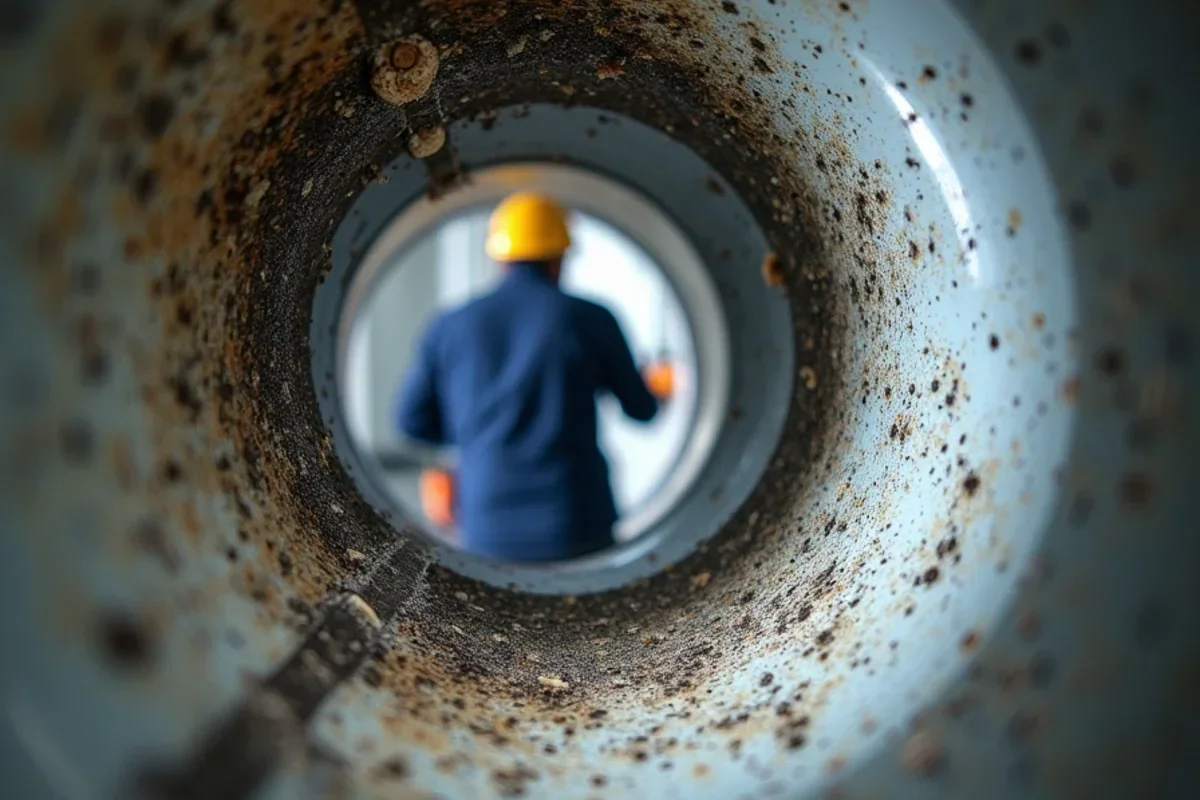
What Our NADCA-Compliant HVAC Mold Cleaning Includes
True HVAC remediation requires far more than superficial vent vacuuming. Superficial cleaning merely disturbs mold spores, releasing them into living spaces. Our comprehensive NADCA-compliant service includes:
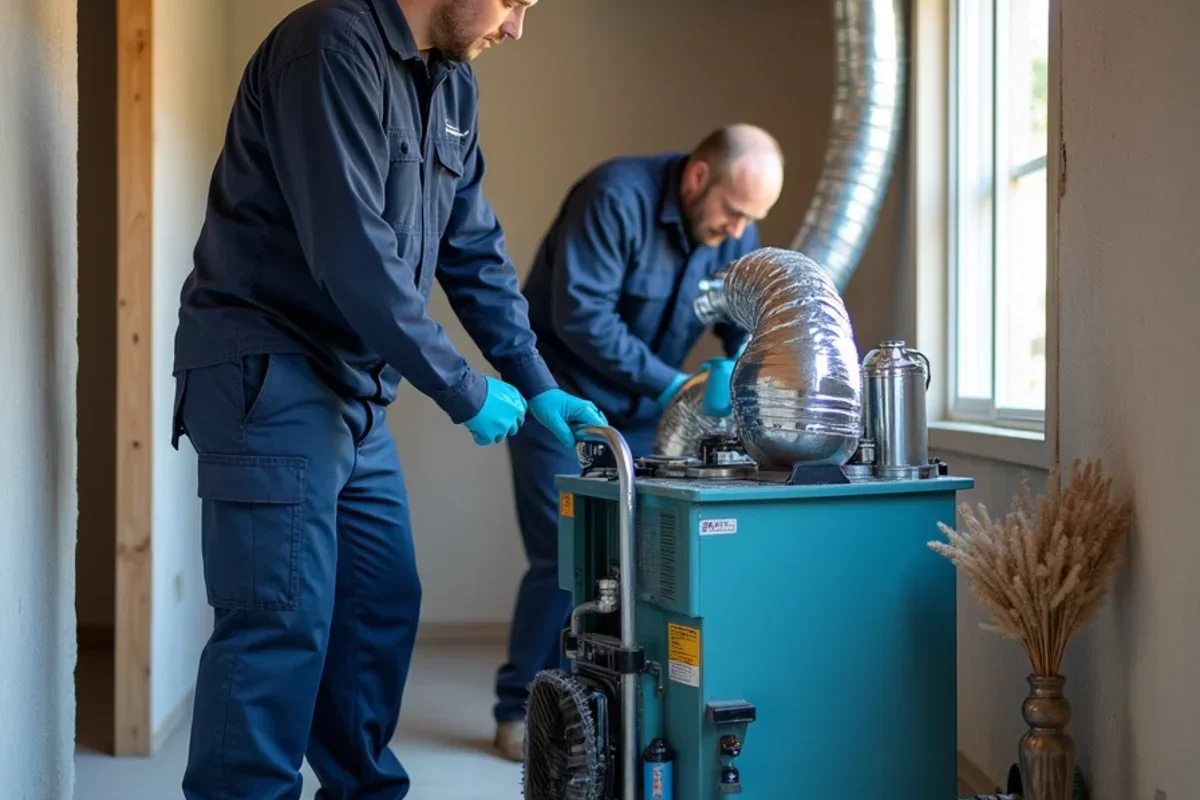
- High-Capacity Negative Pressure Vacuum Containment: Connecting a commercial 5,000 CFM HEPA-filtered negative air collector directly to main supply and return plenums to keep the entire duct system under continuous vacuum.
- Mechanical Rotary Brush & Air Whip Agitation: Deploying high-speed flexible rotary power brushes and pneumatic whip systems that scrub caked mold hyphae and biofilm off metal duct walls directly into the vacuum stream.
- A/C Evaporator Coil & Drain Pan Decontamination: Deep cleaning aluminum cooling fins, coil frames, and sludgy condensate pans using biocidal foaming coil cleaners to eradicate microbial reservoirs.
- Blower Motor & Fan Assembly Micro-Cleaning: Removing and disassembling the furnace blower wheel, motor housing, and electrical compartments to vacuum and sanitize dust-caked fan blades.
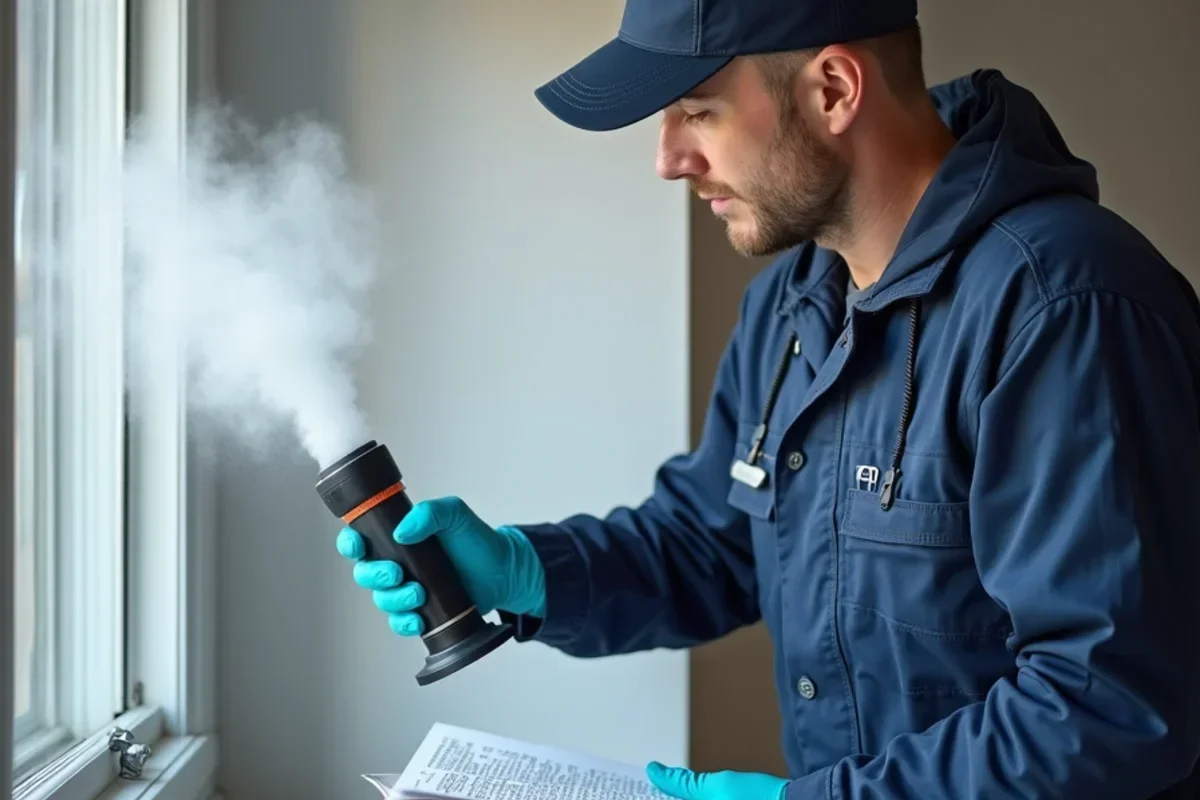
- EPA-Registered Antimicrobial Bio-Washing & HVAC Fogging: Treating all interior duct surfaces with broad-spectrum hospital-grade botanicals formulated specifically for HVAC air pathways to inhibit spore regrowth.
- Plenum & Register Sterilization: Hand-washing all supply registers, return grilles, and furnace plenum interiors, followed by sealing access openings with airtight metal patches and mastic sealant.
Common Causes of Microbial Growth in Northern Utah HVAC Systems
Understanding how fungal colonies enter and thrive inside your ductwork is critical for preventing recurrent contamination. Our diagnostic team routinely identifies several regional moisture triggers:
Clogged AC Condensate Drain Lines & Overflow Pans: During peak Ogden summers, central air conditioning coils pull several gallons of humidity from indoor air daily. Algae, bacteria, and dust frequently form a gel-like sludge that obstructs the three-quarter-inch PVC drain pipe. Condensation backs up, overflowing into the furnace blower compartment and soaking internal acoustic insulation.
Thermal Condensation in Unconditioned Spaces: Ductwork routed through unheated crawl spaces or hot attics suffers from severe temperature differentials. When hot, humid air surrounds cold duct walls during summer, condensation forms inside and outside the duct. Without adequate R-6 or R-8 duct insulation, moisture puddles inside horizontal runs.
Oversized Cooling Equipment & Short-Cycling: When an air conditioner is oversized for a home’s square footage, it cools the indoor air too quickly without running long enough to remove ambient moisture. High relative humidity (exceeding 60% to 70%) remains trapped inside ductwork, creating chronic dampness that sustains mold growth.
Post-Flooding Spore Infiltration: Operating a central furnace or AC during or immediately following a basement water loss draws high concentrations of airborne mold spores into return vents, seeding fungal colonies throughout the entire mechanical distribution network.
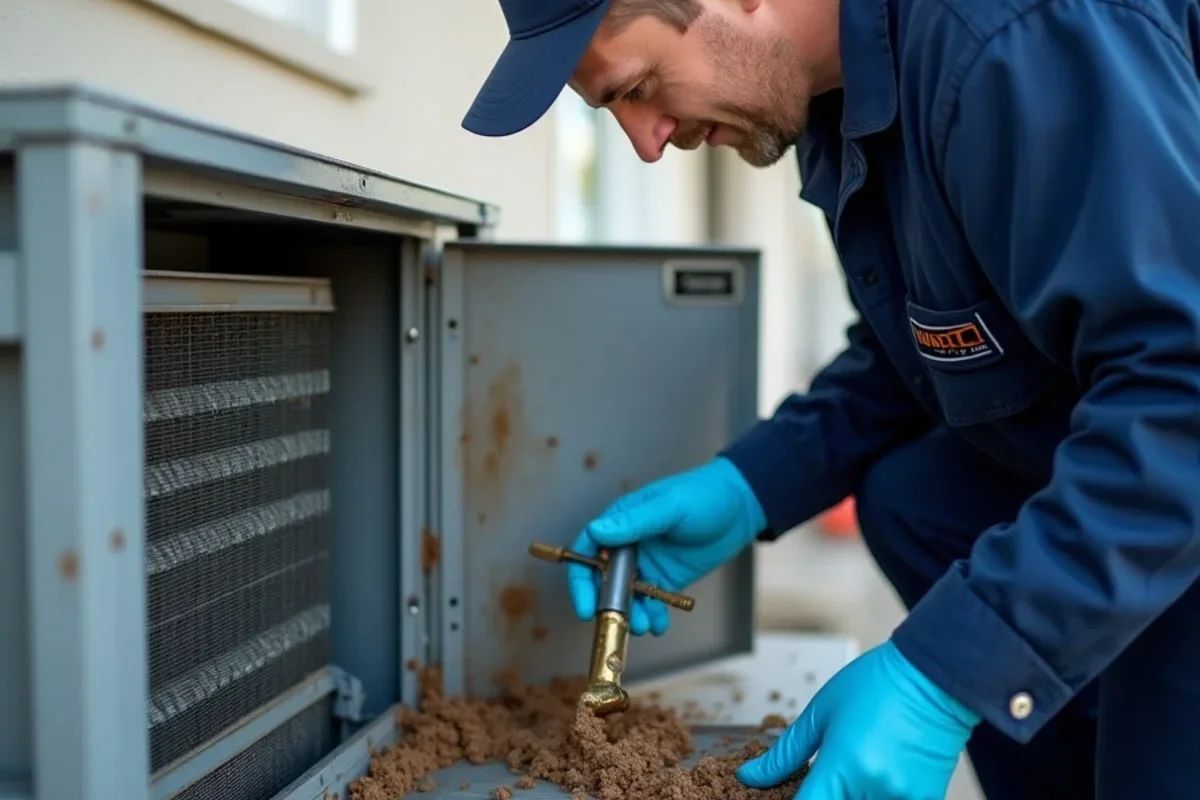
Our 5-Step NADCA ACR-Standard HVAC Remediation Protocol
We execute a disciplined, five-stage remediation workflow strictly adhering to NADCA ACR 2021 Standard (Assessment, Cleaning, and Restoration of HVAC Systems):
- 1
Diagnostic Borescope Inspection & System Zoning
Technicians inspect supply and return duct runs using high-definition fiberoptic borescopes, document contamination levels, and seal all supply registers with plastic film to establish vacuum integrity.
- 2
Negative Pressure Vacuum Attachment
We cut a dedicated service portal into the main duct trunk near the furnace and attach an industrial HEPA negative air collector, generating powerful suction that prevents spores from escaping into living quarters.
- 3
Mechanical Agitation & Debris Extraction
Working from the furthest supply register back toward the furnace, technicians insert mechanical rotary nylon brushes and forward-blowing air whips to dislodge all adhered mold and particulate matter directly into the vacuum stream.
- 4
Evaporator Coil & Blower Module Sanitization
Technicians access the central air handler, clean the aluminum cooling coil with non-corrosive biocidal foam, clean the condensate pan, and thoroughly detail the squirrel-cage blower assembly.
- 5
Antimicrobial Treatment & Seal Verification
We fog the entire duct network with EPA-registered botanical antimicrobials (such as Benefect Decon 30), install new high-efficiency MERV filtration, seal service ports with mechanical gaskets and UL-181 mastic, and verify air velocity.
24/7 Water Damage Emergency? We Are on Call Right Now
Speak directly with our Ogden restoration dispatchers. We arrive within the hour across Weber County with industrial water extraction pumps and rapid structural drying equipment.
- 5★ on Google (4 reviews)
- 24/7 Live Dispatch
- 60-Min Emergency Arrival
- Fully Insured
- Free Assessments
- Serving Ogden & Northern Utah since 2023
HVAC & Air Duct Mold Removal Cost Factors in Weber County
The cost of professional HVAC mold cleaning in Ogden varies depending on the square footage of the structure, the total number of supply and return vents, the accessibility of trunk lines, and whether the evaporator coil requires intensive disassembly. Standard whole-home duct remediation for a single HVAC system with up to 15 supply registers typically ranges from $550 to $950.
Comprehensive projects involving heavy microbial contamination across flexible ductwork, deep evaporator coil pull-and-clean service, blower wheel refurbishment, and complete antimicrobial fogging generally range from $1,100 to $1,800. For multi-zone residences featuring separate basement and upper-floor furnace systems, costs typically range from $1,800 to $2,900.
Our estimates use standardized Xactimate line items. If HVAC mold contamination resulted from a covered insurance peril—such as a sudden water heater rupture or sewer backup that inundated floor registers—duct cleaning and sanitization expenses are frequently covered under your property policy.
NADCA ACR Standards, EPA Antimicrobial Regulations & Utah DOPL Codes
HVAC remediation in Utah is governed by rigorous technical and environmental standards. The National Air Duct Cleaners Association (NADCA) ACR Standard requires that all porous duct linings and internal surfaces be cleaned under continuous negative pressure to prevent cross-contamination. Under federal EPA regulations, only antimicrobials specifically registered under FIFRA for use in HVAC ductwork may be applied; using unapproved bleaches or harsh synthetic chemicals can release toxic airborne fumes into living quarters.
Furthermore, mechanical access to cooling coils, refrigerant lines, and gas furnace electrical components must comply with the Utah Division of Occupational and Professional Licensing (DOPL) HVAC contractor licensing regulations. Our certified technicians coordinate closely with licensed mechanical trades whenever complex system disassembly or refrigerant recovery is required.
Why Choose Ogden Mold Removal Solutions for HVAC Remediation?
Remediating mold inside central air systems demands specialized equipment, certified containment protocols, and experienced local technicians:
- Guaranteed 60-Minute Emergency Dispatch: Prompt scheduling across Ogden, Roy, North Ogden, South Ogden, Pleasant View, and all Weber County communities.
- NADCA-Compliant HEPA Vacuum Systems: High-volume 5,000 CFM negative air collectors that guarantee zero spore blowback into residential living areas.
- Certified IICRC & Microbial Cleaning Specialists: Rigorously trained in psychrometric science, airflow dynamics, and EPA-registered antimicrobial protocols.
- Centrally Located at 189 25th St: Direct downtown Ogden operational headquarters providing rapid support to residential and commercial properties.
- 5.0-Star Google Rating & Odor Elimination: Proven local track record of permanently eliminating persistent musty odors and restoring healthy indoor air quality.
Air Duct & HVAC Mold Cleaning — Frequently Asked Questions
- Yes. Because your central HVAC blower circulates conditioned air throughout your entire home multiple times per hour, mold growing inside ducts, evaporator coils, or plenums continuously releases microscopic spores and mycotoxins into your breathing air, aggravating asthma, allergies, headaches, and chronic respiratory irritation.