A musty basement odor is not an inevitable fact of below-grade living—it is an active microbial colony degrading your home’s building materials. We isolate the basement with negative air pressure, extract contaminated drywall and flooring, and sterilize structural concrete foundations.
Professional Basement Mold Remediation in Ogden & Weber County
Finishing a basement is one of the most popular ways to expand living space in Northern Utah homes, creating family recreation rooms, guest suites, and home offices. However, finishing a below-grade space without addressing masonry moisture dynamics often leads to extensive, hidden mold colonization. Because subterranean concrete and cinder block walls remain in direct contact with cool, damp earth, moisture continuously migrates inward through capillary action and hydrostatic pressure. When wood studs, fiberglass insulation, and paper-faced drywall are fastened directly against damp foundation masonry, mold establishes aggressive colonies within days.
In Ogden, South Ogden, Roy, and West Haven, basement moisture challenges are amplified by regional topography and soil composition. Neighborhoods situated along the lower alluvial plains of the Ogden and Weber rivers contend with seasonal groundwater fluctuations that surge each spring as mountain snow melts off Ben Lomond Peak. Simultaneously, heavy bentonite clay soils prevalent throughout Weber County expand when wet, exerting lateral hydraulic pressure against foundation footings and cold joints. Ogden Mold Removal Solutions delivers comprehensive basement mold abatement designed to eradicate fungal growth and protect your home’s structural value.
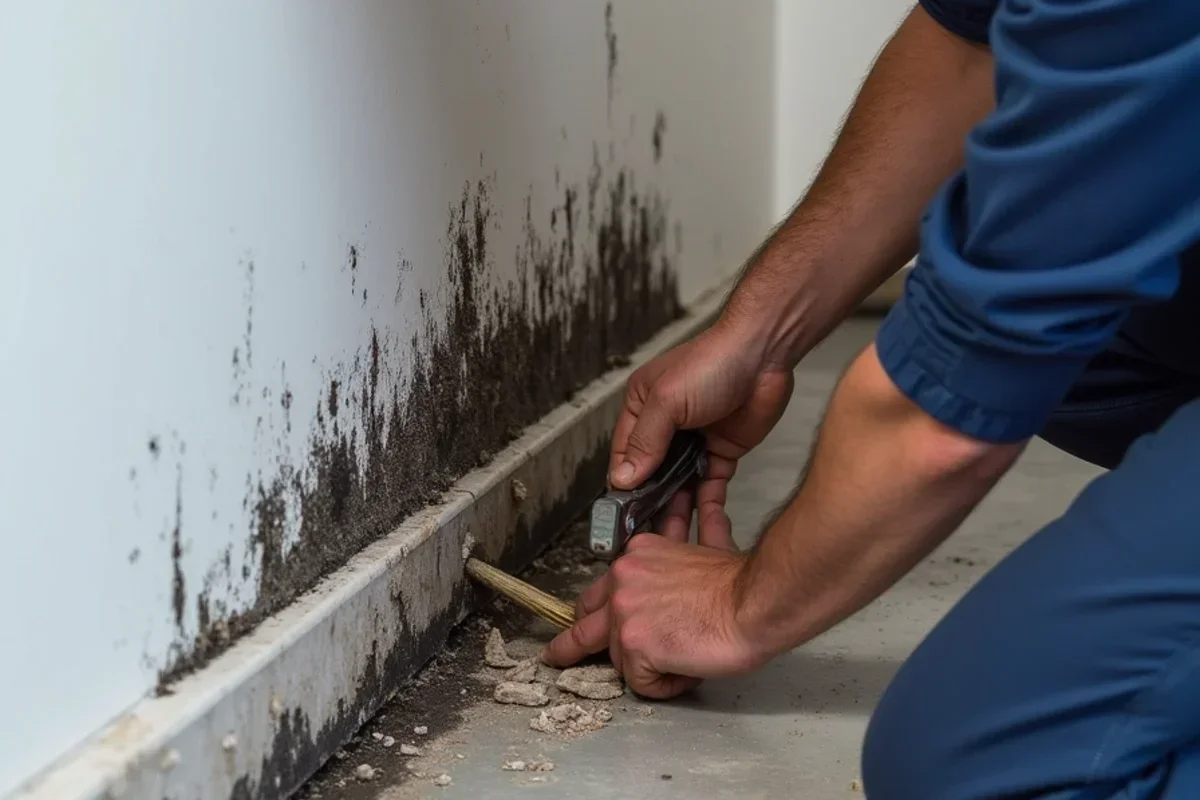
What Our Basement Mold Removal Service Includes
Remediating mold in finished or unfinished basements requires a methodical process that eliminates both visible fungal colonies and concealed airborne spores. Our certified basement scope includes:
- Stairwell Isolation & Critical Containment: Sealing basement staircases and HVAC supply/return ducts with 6-mil polyethylene barrier walls and magnetic zipper portals to isolate the workspace from upper living floors.
- Continuous Negative Pressure Air Scrubbing: Operating industrial HEPA air scrubbers venting directly to the exterior, ensuring contaminated air cannot migrate into upstairs bedrooms or kitchens.
- Precision Flood Cuts on Compromised Drywall: Scribing clean, level cuts 12 to 24 inches above moisture boundary lines, removing moldy drywall panels, and discarding contaminated fiberglass batts.
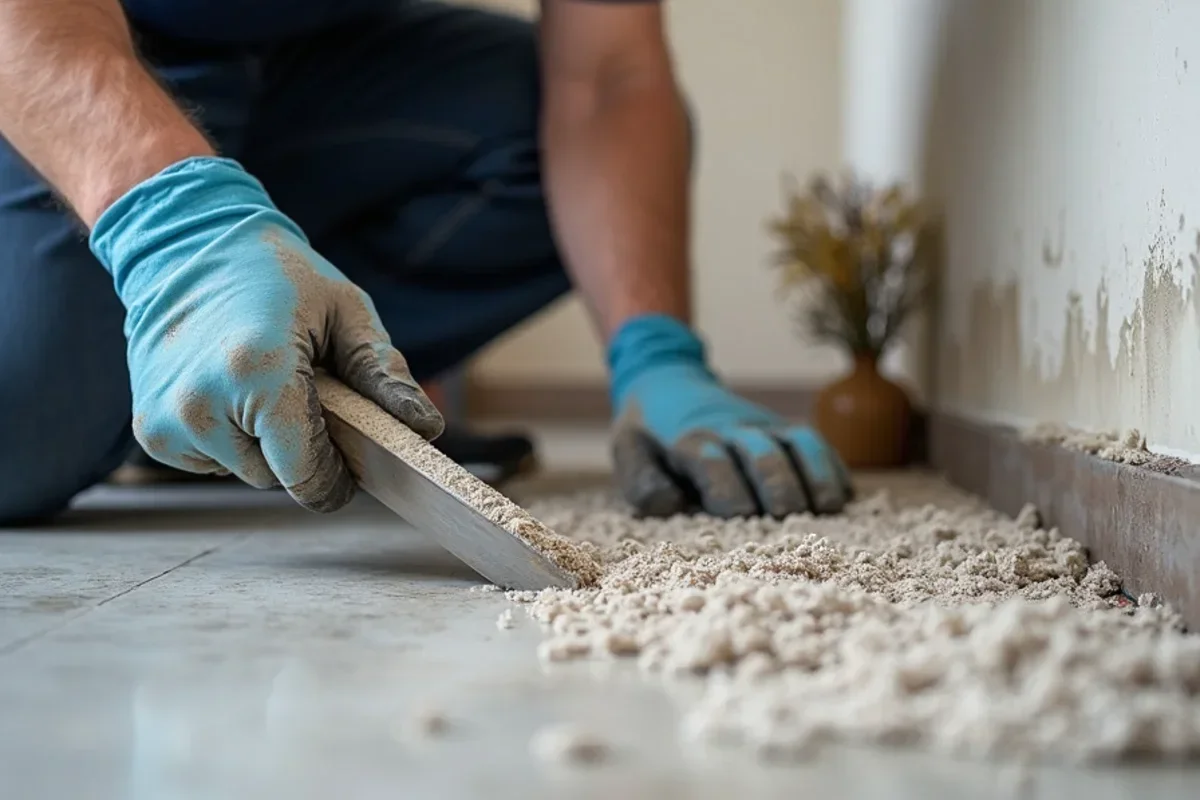
- Carpet, Pad & Contaminated Tack Strip Disposal: Removing water-stained carpet, saturated open-cell foam padding, and mold-rotted wooden tack strips directly into sealed 6-mil disposal bags.
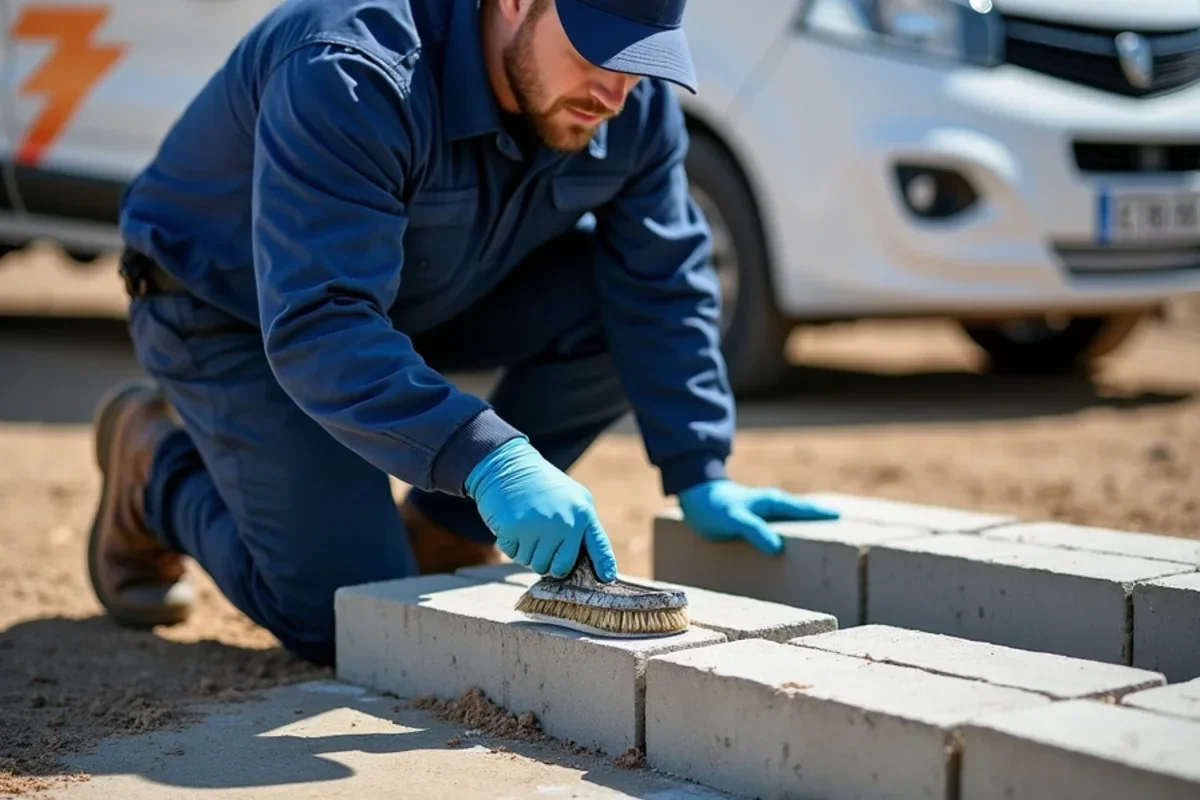
- Rotary Wire-Brushing & Masonry Decontamination: Mechanically abrading concrete foundation walls, mortar joints, and floor slabs to strip away embedded mold roots (hyphae) and mineral efflorescence.
- EPA-Registered Antimicrobial Disinfection: Applying hospital-grade, broad-spectrum fungicidal biocides that penetrate porous concrete substrate to neutralize microscopic fungal spores.
- Fungistatic Masonry Sealing & Encapsulation: Coating exposed foundation walls and floor planes with waterproof elastomeric fungistatic sealants to prevent moisture vapor re-transmission.
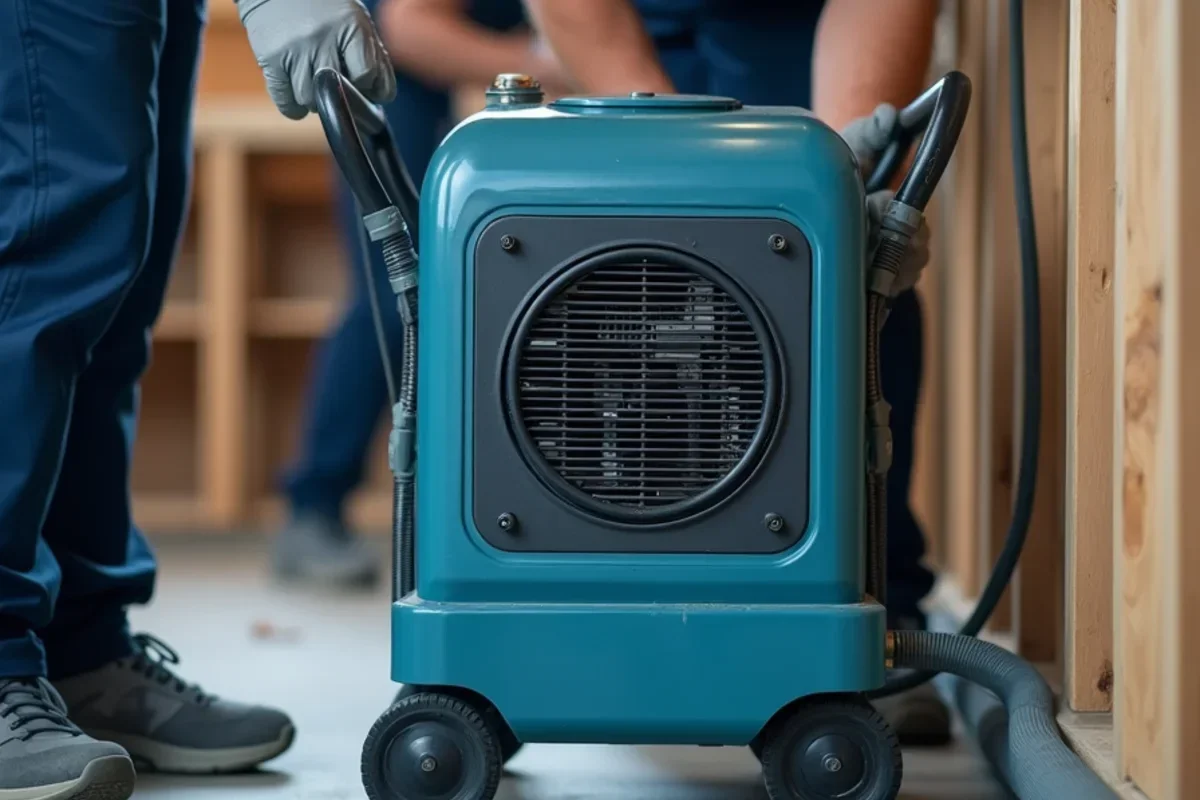
- Commercial Low-Temperature Dehumidification: Deploying dedicated high-capacity basement dehumidifiers to stabilize ambient relative humidity below 50% permanently.
Why Ogden Basements Harbor Hidden Microbial Growth
Subterranean spaces present unique thermodynamic conditions that promote mold growth even in Utah’s dry outdoor climate. Understanding the primary regional causes helps homeowners prevent recurring contamination:
Groundwater Seepage & Hydrostatic Pressure: During the spring thaw along the Wasatch Front, millions of gallons of snowmelt drain into local valley aquifers, dramatically raising water tables. This groundwater pushes against basement slabs and foundation cold joints. If exterior foundation drain tile or sump pump systems are overwhelmed, moisture seeps across concrete floors and under perimeter baseboards.
Summer Condensation & Poor Air Exchange: During Northern Utah summers, warm, humid outdoor air enters basements through open windows, walkout doors, or uninsulated fresh air intakes. Because below-grade concrete slabs remain naturally cool (typically 55°F to 60°F), this humid air quickly hits its dew point, condensing into liquid droplets across cold concrete floors, baseboard trim, and drywall backing.
HVAC Air Distribution & Cross-Contamination: Most residential HVAC systems locate main furnace returns in the basement or draw combustion air from lower utility rooms. When a basement harbors mold, active fungal spores and musty volatile organic compounds (mVOCs) are sucked directly into furnace return ducts and blown through every supply register across the home.
Our 5-Step Basement Mold Abatement Protocol
We adhere strictly to the ANSI/IICRC S520 Standard for Professional Mold Remediation. Our structured 5-step engineering workflow guarantees thorough fungal eradication and indoor air safety:
- 1
Diagnostic Moisture Mapping & Stairwell Containment
Technicians inspect perimeter walls with FLIR infrared cameras and non-invasive moisture meters, establishing sealed containment across the basement access stairwell.
- 2
Negative Air Pressure Setup & HEPA Filtration
We activate commercial negative air scrubbers creating continuous negative pressure (-0.02 in w.g.) to capture 99.97% of airborne spores down to 0.3 microns.
- 3
Controlled Demolition of Saturated Finishing Materials
Contaminated drywall is cut along clean chalk lines, insulation is bagged, and saturated carpet padding is safely extracted and removed from the property.
- 4
Concrete Abrasion, HEPA Vacuuming & Antimicrobial Bio-Wash
All exposed structural studs, concrete masonry, and slab cracks are wire-brushed, HEPA-vacuumed, and thoroughly saturated with EPA-registered botanical antimicrobials.
- 5
Fungistatic Encapsulation & Independent Air Clearance Testing
Structural framing and concrete walls are coated with mold-resistant elastomeric encapsulants, followed by third-party laboratory air testing to verify clearance.
24/7 Water Damage Emergency? We Are on Call Right Now
Speak directly with our Ogden restoration dispatchers. We arrive within the hour across Weber County with industrial water extraction pumps and rapid structural drying equipment.
- 5★ on Google (4 reviews)
- 24/7 Live Dispatch
- 60-Min Emergency Arrival
- Fully Insured
- Free Assessments
- Serving Ogden & Northern Utah since 2023
Factors Influencing Basement Mold Removal Costs in Ogden
Basement mold remediation costs in Weber County depend on the overall square footage, whether the basement is finished or unfinished, the height of required drywall flood cuts, and the volume of contaminated flooring to dispose of. Third-party published construction data for the Ogden and Northern Utah market indicates localized mold removal in an unfinished utility room or storage corner (under 100 sq ft) typically ranges from $1,500 to $3,200.
Full remediation in a finished basement—involving extensive carpet removal, 2-foot or 4-foot perimeter drywall flood cuts, structural stud sanding, and commercial HEPA air scrubbing—generally ranges between $3,800 and $8,500. Major structural remediation involving extensive subfloor replacement, foundation crack sealing, and antimicrobial encapsulation across multi-room basements can range from $8,500 to $16,000+. Because our estimators use standardized Xactimate line items, we provide transparent, itemized quotes that align directly with insurance carrier guidelines if your loss resulted from a covered plumbing event.
Building Codes, Permitting & Lead-Safe Standards
Basement reconstruction and structural alterations in Ogden must comply with the Ogden City Building Inspections Division codes and the Utah Uniform Building Standards Act. When remediation requires removing structural framing or modifying electrical outlets compromised by moisture, appropriate trade permits are secured prior to rebuild.
Furthermore, in older Ogden homes constructed prior to 1978, our technicians operate under strict EPA Lead-Safe Certified Renovator (RRP) protocols during drywall cutting to prevent the dispersion of toxic lead paint dust. All contaminated waste is sealed in heavy 6-mil poly bags and transported according to Utah Department of Environmental Quality disposal regulations.
Why Choose Ogden Mold Removal Solutions for Basements?
Restoring a damp or moldy basement to a safe, healthy living environment requires certified microbial expertise:
- Certified IICRC S520 Protocols: Rigorous adherence to published international standards for safe, non-destructive fungal eradication.
- True Negative Air Engineering: High-volume HEPA air scrubbers that prevent dangerous mold spores from contaminating upstairs living areas.
- Complete Masonry Sanitization: Deep mechanical wire-brushing and EPA-registered bio-washing that eradicates mold roots inside porous concrete.
- Independent Laboratory Clearance: Coordination of third-party air and tape-lift testing to verify that your basement is clean before containment is removed.
- Centrally Located at 189 25th St: Direct downtown Ogden presence ensuring prompt inspections across Ogden, South Ogden, Roy, and Layton.
- 5.0-Star Google Rating: Trusted by Northern Utah homeowners for transparent pricing, meticulous cleanliness, and lasting results.
Basement Mold Removal — Frequently Asked Questions
- No. Bleach cannot penetrate porous concrete. While the surface chemical fades visible mold pigment, the water content soaks deep into masonry pores, feeding underlying fungal roots and causing mold to return quickly.